Sunday, January 20, 2019
Meat and Dairy Consumption Are Violently Destroying Earth's Wildlife
Meat and Dairy Consumption Are Violently Destroying Earth's Wildlife: It's time for the world to wake up to the incomparable devastation of meat and dairy consumption on wildlife animals.


Sunday, June 28, 2015
Thursday, February 5, 2015
I am you, only different.
Borrowed from PETA....Human beings create temporary and arbitrary boundaries to exclude beings who aren’t like them. Human beings have justified wars, slavery, sexual violence, and military conquests through the mistaken belief that those who are “different” do not experience suffering and are not worthy of moral consideration.
These boundaries change throughout history, and we’re horrified now to recall the abuse inflicted on others once classified as outsiders: the extermination of Jewish people by the Nazis, the enslavement of African people by American plantation owners, and the slaughter of Christian people for entertainment by Roman centurions. Laws now forbid discrimination based on gender, race, religion, ability, age, and sexual orientation. Yet just a century ago, human beings who were seen as different by those with power faced torture, exploitation, and death.

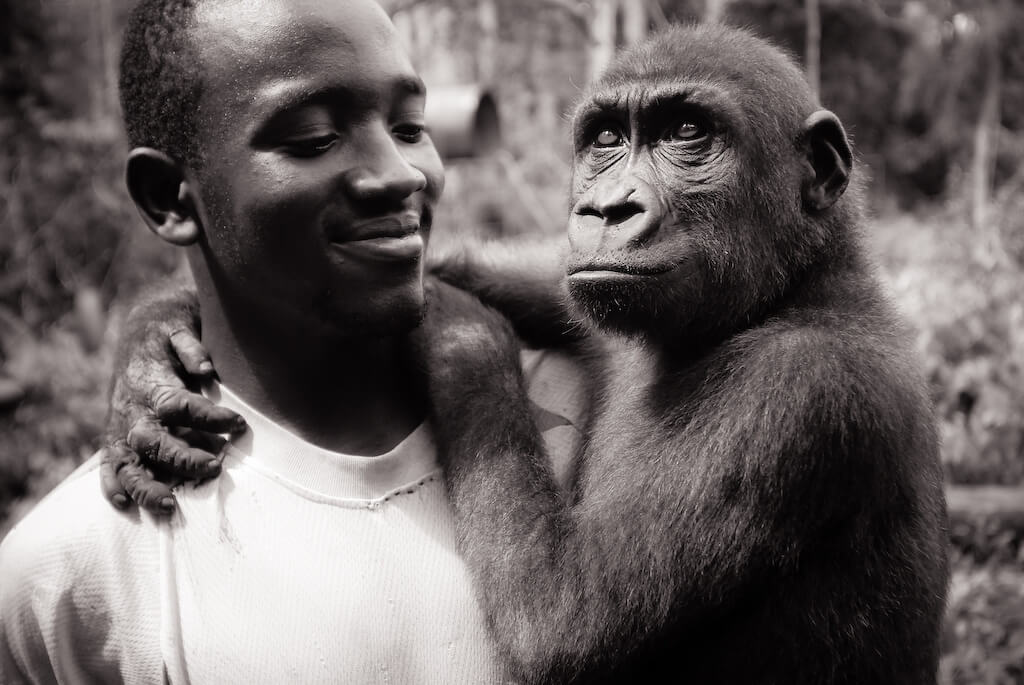
Sometimes those in power claimed that juvenile or dark-skinned human beings couldn’t feel pain. Sometimes the powerful claimed that their superiority was granted by God. Our society no longer believes that any human being has the right to rape, torture, or enslave another human being for any reason. We accept that all human beings share a fundamental value and celebrate our differences.
Ethical
Do unto others as you would have them do unto you.

We are taught the Golden Rule as young children, and all major religions teach principles of nonviolence and kindness. The Rev. Dr. Martin Luther King Jr. said, “Injustice anywhere is a threat to justice everywhere.” Ethical treatment—the Golden Rule—must be extended to all living beings: reptiles, mammals, fish, insects, birds, amphibians, and crustaceans.
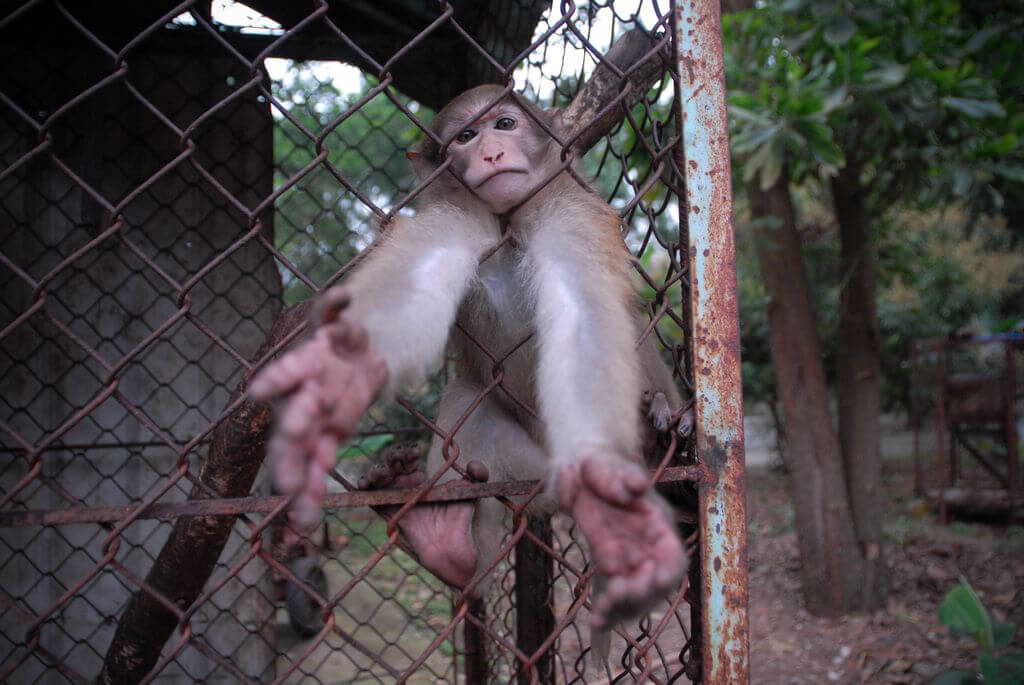
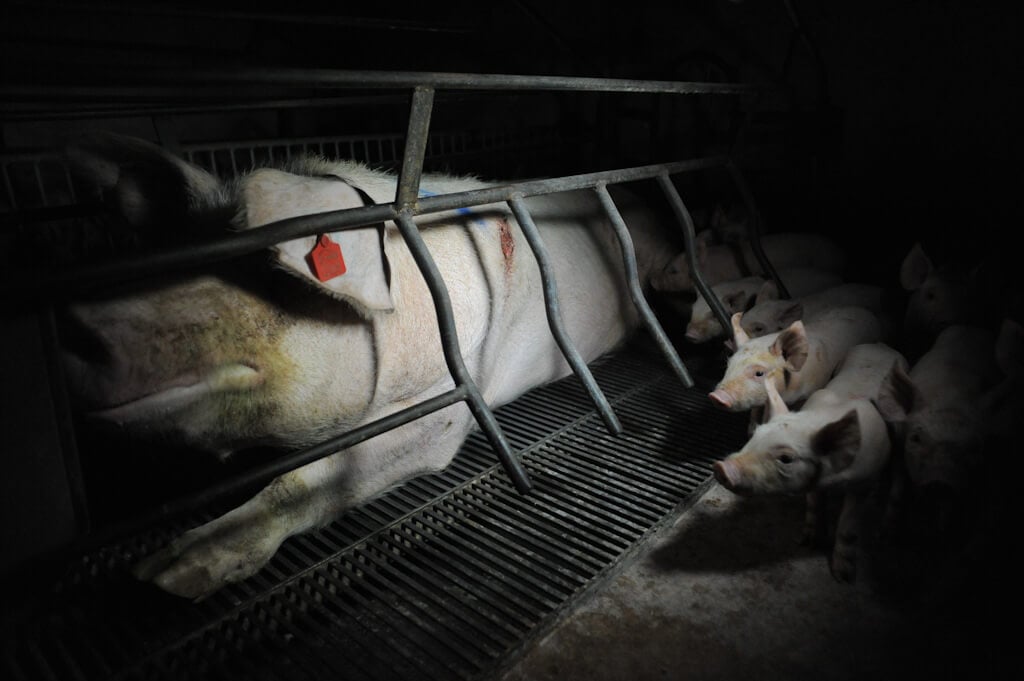
Would we imprison our children in cages too small for them to move? Would we violate our sisters and steal their babies? Would we deliberately infect our friends with diseases and leave them untreated? Of course not—so why would we do the same to other beings? We must abandon the archaic and incorrect boundary of “human,” which we use to justify the ongoing massacre of billions of beings.
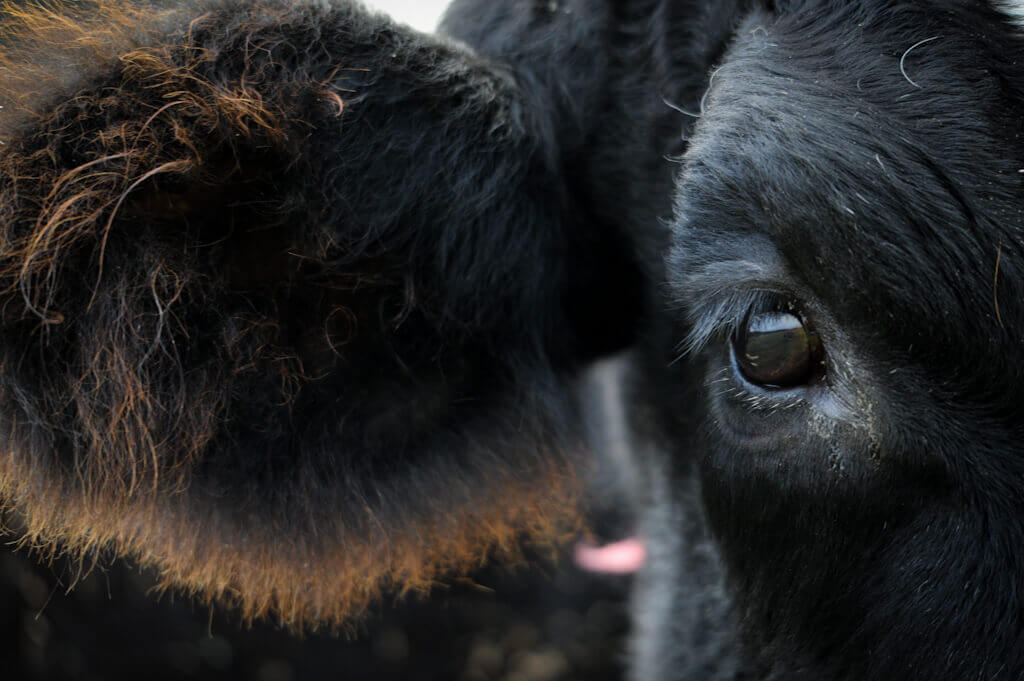
More than a century ago, Charles Darwin showed that all beings had the same common ancestor. All beings share the desire to live. We all feel pain, joy, grief, and pleasure. We all have worth.
Treatment
Animals are not ours to eat, wear, experiment on, use for entertainment, or abuse in any other way.

All beings desire freedom to live a natural life, according to their inherent desires and instincts. While the lives of all beings necessarily involve some amount of suffering, human beings must stop deliberately inflicting suffering on all beings for our own selfish desires. We lose nothing in replacing a cheeseburger with a veggie burger or a leather purse with a fabric one. But beings we exploit lose their lives just for our fleeting fancy.
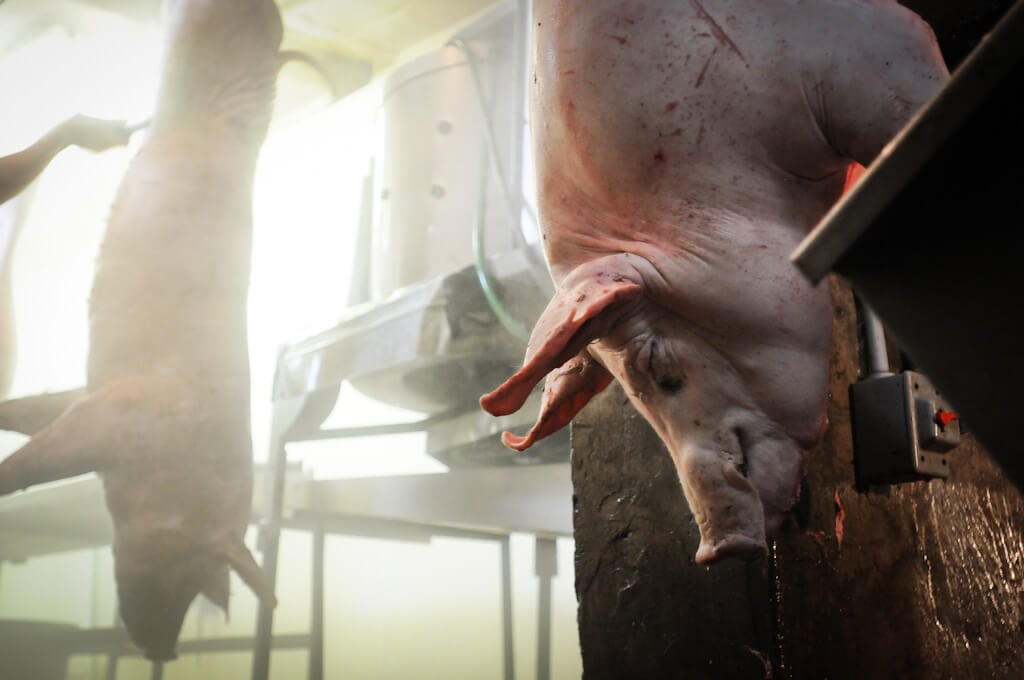
We are taught from a young age to discriminate among beings. We are fooled into eating the flesh of some beings, ignoring the cries of hunted beings, and cuddling with furry baby beings. We grow up confused—as adults, most of us feel sick and sad when we see living beings tortured and killed, yet we purchase and consume the flesh, fur, secretions, and skin of living beings every day. We work hard to deceive ourselves and each other in order to maintain the illusion of a real boundary around “human.”
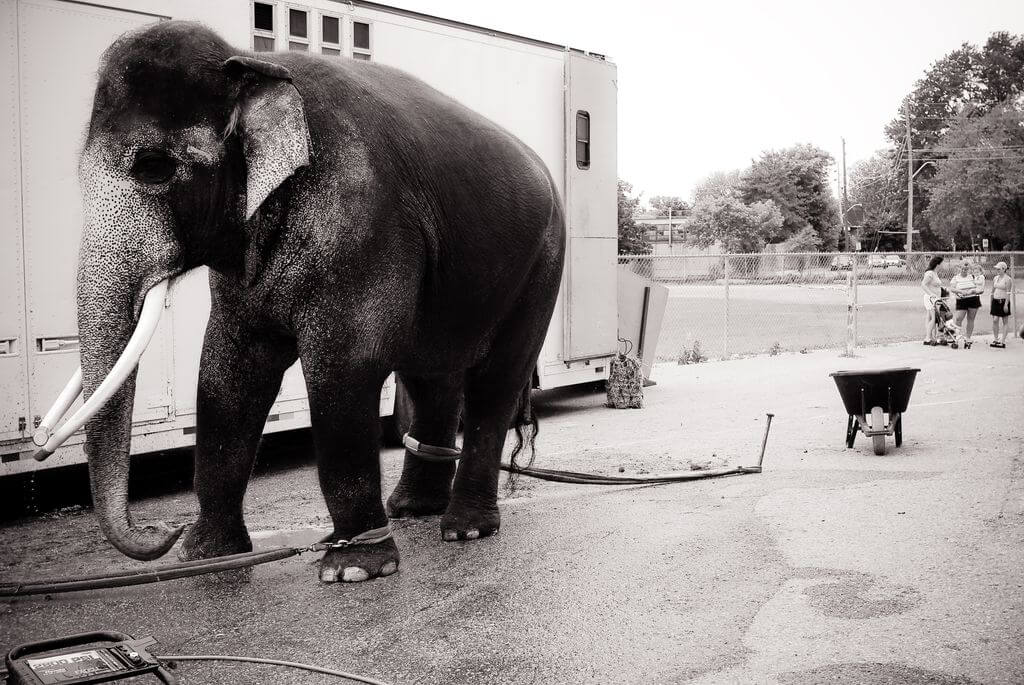
The threats of economic collapse, the defiant claims of inherent rights, and the stubborn refusal to change behavior—these tired arguments have been heard and overcome many times in the past. Every time a boundary shifts, the suffragists or the abolitionists or the emancipators are at first ridiculed and belittled for their stance of equal consideration. Eventually, the lies are exposed, and freedom is won—for women, blacks, Christians, gays, Asians, the Irish, Catholics, Jews. Let freedom now include all beings.
Animals
We are all animals.
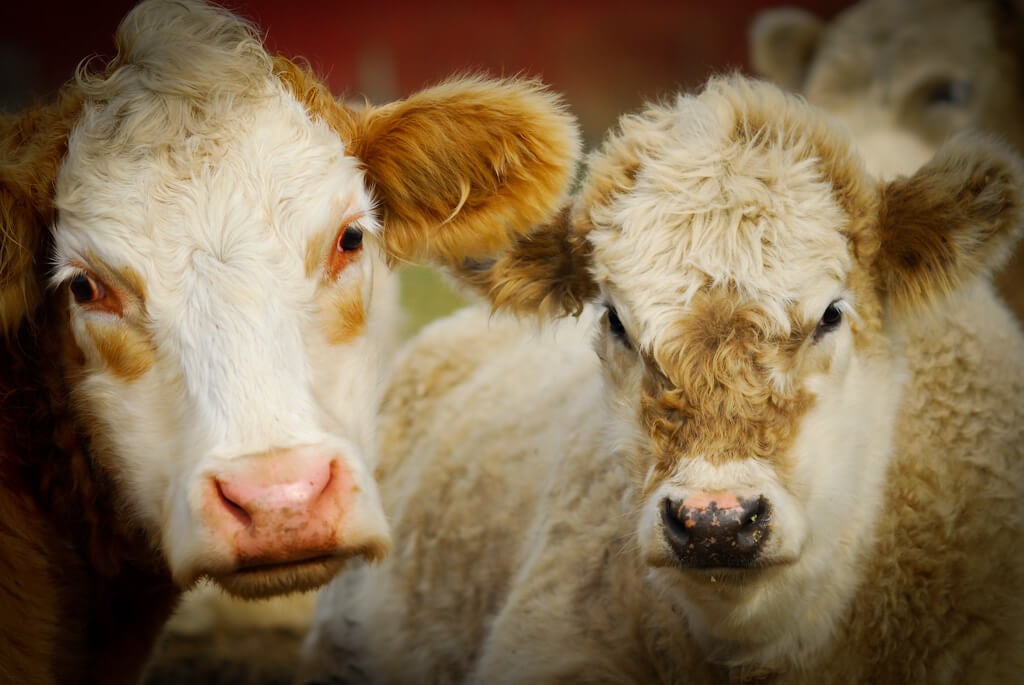
Human beings have few, if any, unique capabilities—many beings can learn languages, enjoy complex social bonds, sacrifice pleasure for the good of others, use tools, imagine, and dream. Many beings remember information, play with friends, enjoy intimacy, gossip, and mourn their deceased. Some beings have enormous capabilities beyond our own—in navigation, endurance, communication, and detection of natural phenomena. We don’t yet fully understand how all beings think—or what they think—but dismissing their mental world as less developed, rational, moral, or intelligent than our own is clearly a mistake.
 ©iStock.com/luxiangjian4711
Regardless of their capabilities, no living being deserves to be abused. We believe that it’s wrong to torture infant and disabled human beings who don’t have the same abilities as adults. In the same way, all beings deserve liberty and respect notbecause they share the characteristics we admire in ourselves but because they areliving beings. We share the same evolutionary origins, we inhabit the same Earth, and we are ruled by the same laws of nature. We are all the same.
Monday, January 12, 2015
Friday, January 2, 2015
Why the Animals Need Religion by Norm Phelps
Taken as a whole, the animal rights movement is hostile to religion. And this is tragic because
until animal rights gains the support of at least a sizable chunk of mainstream religion, we will
always be marginalized. In America, campaigns for social justice succeed to the degree that
they receive support from organized religion. Causes that enjoy the sponsorship of our
churches and synagogues become public policy; those that do not remain marginal or vanish
from view.
It has been this way throughout our history. The original call to end human slavery came from
men and women in England whose religious faith inspired them to speak out against evil. These
included George Fox, founder of the Society of Friends, and his fellow Quaker John Woolman,
John Wesley, founder of Methodism, and Richard “Humanity Dick” Martin and William
Wilberforce, both of whom credited their social conscience to religious conviction. On this side
of the Atlantic, their cry was taken up by religiously inspired abolitionists like Lucretia Mott,
Sojourner Truth, Susan B. Anthony, Maria W. Stewart, William Lloyd Garrison, John Brown,
and Frederick Douglass. In 1783, eighty years before emancipation, the Society of Friends
yearly meeting for Pennsylvania, New Jersey, Delaware, western Maryland, and western
Virginia (the largest and most influential Quaker meeting in the country) petitioned Congress to
abolish slavery. Right up to the signing of the Emancipation Proclamation, churches were the
most popular settings for anti-slavery rallies, while their members filled the ranks of the
abolitionist movement, and the language of the Sunday morning sermon became the language of
abolition, filled with appeals to Christian mercy and divine justice, drawing the parallel between
the American slavery of Africans and the Egyptian slavery of the Israelites, while celebrating
emancipation as “crossing the Jordan” and freedom as “the Promised Land.”
Nearly a century later, the civil rights movement picked up where the abolitionists had left off.
Born in the churches of Atlanta and Birmingham after World War II, it spread first through the
black churches of the south, then those of the north, and finally to white churches and
synagogues across the country. Martin Luther King, Jr., who was the movement’s single most
influential leader, and his closest associates, Ralph David Abernathy, Fred Shuttlesworth, Floyd
McKissick, and Jesse Jackson were Baptist ministers; two others, Edgar Nixon and A. Philip
Randolph, were the sons of ministers, and yet another, Bayard Rustin, was raised on the
Quaker philosophy of his grandmother and educated at Wilberforce College, which taught the
Christian social gospel of its namesake, William Wilberforce. They were all inspired by their
religious faith to take up the cause, and their followers came first and foremost from the
churches. The organization they created, the largest, most important, and most effective civil
rights organization of the 20th century, was called The Southern Christian Leadership
Conference.
As with the abolition movement, much of the rhetoric of the civil rights movement was the
rhetoric of religion. Consider this brief passage from Martin Luther King’s “Letter from a
Birmingham Jail.” “But more basically, I am in Birmingham because injustice is here. Just as
the prophets of the eighth century B.C. left their villages and carried their ‘thus saith the Lord’
far beyond the boundaries of their home towns, and just as the Apostle Paul left his village of
Tarsus and carried the gospel of Jesus Christ to the far corners of the Greco-Roman world, so
am I compelled to carry the gospel of freedom beyond my own home town. Like Paul, I must
constantly respond to the Macedonian call for aid.”
Dr. King is referring to Acts 16:9, which describes a vision in which Paul was visited by a
Macedonian who begged him to “come and help us.” Macedonia was a rough and tumble
frontier province on the northern fringe of the Classical world. King is suggesting that he has
been called by God to the land of the barbarians, where he will have to endure great hardships
and risk great dangers.
When, a few days before his death, Dr. King said, “I have been to the mountaintop, I have
seen the promised land,” he was identifying himself with Moses, who when death was upon
him, was taken by God to the top of Mount Nebo, where he could look out and see the
promised land that he would not live to enter. And more importantly, he was identifying African-
Americans suffering under segregation with the suffering of the Israelites who were enslaved in
Egypt. Those were identifications that resonated with Americans of all races and religions
because the stories of the Bible are as much a part of the American mythology as Paul Revere
and the Boston Tea Party—and they carry with them the moral authority that even secular
Americans grant only to values that are rooted in religion.
Even Malcolm X, who is often portrayed as the polar opposite of Martin Luther King, and after
him was the most popular and influential civil rights leader, found his inspiration in religion – in
his case, Islam – and invoked the moral authority of religion.
Historians and sociologists, in thrall to the secularism which these days is a litmus test for
respectability among people who fancy themselves intellectuals, treat the religious nature of the
civil rights movement somewhat like a Victorian gentleman would have treated the case of a
pregnant, unmarried sister: it is something not to be mentioned in polite company. To them the
religious roots of the civil rights movement betray an embarrassing lack of sophistication. They
prefer to patronize the black religious community by treating it as a purely social institution
whose role was to lend logistical support to the civil rights movement, rather than as the
spiritual organism that gave birth to it. But whether the academic community likes it or not, the
most important contribution of the churches – black, white, and integrated – to the civil rights
movement was not a communication network and ready-made audiences for activists; it was
moral authority. When the pastors said that integration and equality before the law were right
and that segregation and inequality were wrong, their congregations listened; and over time, so
did the rest of America. It was the same pattern that had characterized the abolition movement
a hundred years before.
The women’s suffrage movement grew out of the abolitionist movement, and the two shared
many of the same religiously inspired leaders, including Lucretia Mott, Susan B. Anthony,
Sarah and Angelina Grimke, Frederick Douglass, and William Lloyd Garrison. Again, the
nation’s churches provided leadership, membership, and rallying places for the suffrage
movement, as well as a rhetoric that carried a moral authority able to pull the rest of the
country along in its wake. Churches became battlegrounds in the struggle for women’s suffrage,
especially in the west, where harsh necessity had forced women to work, fight, and endure
hardship in a fashion that quickly disabused men of the ego inflating myth that women were the
“weaker sex,” unsuited by their gender to responsibility and power.
If the modern feminist and gay and lesbian rights movements are less obviously rooted in
religion than these earlier movements, it is nonetheless true that they have garnered the support
of large segments of mainstream religion in America. Most denominations now ordain women
pastors, deacons, and bishops, and even the Roman Catholic Church, which does not, has its
share of female theologians, such as Marie Hendrickx, a high-ranking Vatican staff member
who is a close associate of Pope Benedict XVI, the very conservative former Cardinal Joseph
Ratzinger. Only in the far extremes of the evangelical Christian right do women who want to
pursue careers in traditionally male dominated professions, and who expect to receive equal
pay, equal treatment, and equal opportunities while doing so, meet with systemic disapproval.
Although it has not, by and large, been shouting its support from the rooftops, mainstream
American Christianity and Judaism have quietly accepted the goals of the feminist movement,
at least as they apply in the secular world, and in so doing, have assured its lasting success.
Likewise with homosexual rights. The recent appointment of an openly gay bishop by the
Episcopal Church is only the most visible evidence of a change that has been slowly and quietly
taking place in liberal and mainstream congregations around the country over the past three
decades. Gay civil marriage could become a reality in America with little more than token
objections from most mainstream congregations. Among Christians, only the evangelical right
and the Catholic Church would line up solidly against it, and among Catholics, the issue would
serve to open wider the already cavernous gap that exists between the hierarchy on the one
hand and the laity and much of the clerical rank-and-file on the other. Like the women’s
movement, the gay and lesbian rights movement is bringing about a permanent revolution in
American society in large part because its appeal to conscience has persuaded a major segment
of the religious community to quietly support it.
Progressivism Charges over the Cliff
At the other end of the scale, the near total collapse of liberal and progressive movements that
was the most important social development of the second half of the 20th century was due in
large measure to the identification in the public mind of progressivism with aggressive
secularism and atheism, and a corresponding identification of free-market conservatism with
religion. When the leaders of the socialist, communist, and anarchist movements in the 19th and
20th centuries wrapped themselves in the banner of materialism and declared religion to be at
best an irrelevant anachronism and at worst an instrument of oppression and “the opiate of the
people,” they were unwittingly arranging their own failure in the United States. And following
World War II, the United States would intervene politically, militarily, and economically to
bring about their failure in Europe. The much ballyhooed (at least until recent weeks; I am
writing in December, 2008.) triumph of virtually unrestrained free-market capitalism is due in
large part to the success of conservatives in identifying democratic socialism in the public mind
with communism, and identifying both with atheism. By deliberately poking a finger in the eye
of the religious community, the progressive movement succeeded in marginalizing itself for at
least a full generation. We are an increasingly – and frighteningly – reactionary country today
because the leadership of the progressive movements of the twentieth century heaped scorn on
the religion which the overwhelming majority of Americans hold so dear (whether they actually
practice it or not), while the robber barons of industry realized that by saying the right prayers
and singing the right hymns they could persuade the public to vote against their own economic
and social self-interest.
If we do not want animal rights to go the way of decent public education, universal higher
education, universal health care, and a social safety net that offers genuine protection to those
who cannot cope on their own, we had better learn the lessons that the failure of these goals
teaches. And the most important of those lessons is this: In our one nation under God, if
religion is against you, you lose.
A Holy Nation
Only in Muslim countries is religion as dominant a factor in public life as in America. Because
we are divided among a number of denominations, the profoundly religious orientation of the
United States is not as apparent as the religious orientation of, say, the countries of Latin
America where the vast majority belong to a single denomination, but it is actually stronger.
Whether they actively practice it or not – whether or not they even believe most of it in their
secret heart of hearts – most Americans look to religion for their moral values and their ethical
principles. Thus, religion has a radiating influence that extends far beyond the walls of the
church to permeate our entire culture. Our social and political discourse is framed in terms of
religious concepts to a degree that is incomprehensible to Europeans and to most American
progressives. But the latter, as we have seen, ignore it at their peril.
Throughout the world as a whole, there are only two circumstances in which social movements
can succeed while appearing to disrespect religion. The first is where the population is highly
secularized and religion plays a very minor role in public life, as in Scandinavia. The second is
where there is strong anti-clerical sentiment based on the church’s historic alliance with an
oppressive ruling class, as in Italy and much of Latin America. Neither circumstance obtains in
the United States.
In his book The European Dream, social analyst Jeremy Rifkin recites some mind-boggling
numbers about religion in American life. Rather than simply rehearsing familiar statistics about
religious affiliation and church attendance, let’s focus on the more pertinent question of the role
that religion plays in shaping Americans’ values and their understanding of the world. According
to Rifkin, who relies on published polling data by respected, independent groups like the Gallup
Organization and the Pew Research Center for the People and the Press, “Nearly half of the
American people say that it is necessary to believe in God to have good values,” while 58%
believe that “the strength of American society is ‘predicated on the religious faith of its
people.’” “Forty-five percent of Americans believe that ‘God created human beings pretty
much in their present form at one time within the last 10,000 years or so,’ and an equal number
believe that the second coming of Christ will occur in their lifetime.” Sixty-eight percent of
college graduates and 55% of holders of masters degrees and doctorates “believe in the devil.”
A whopping 82% of Americans believe in Heaven as a literal place to which souls go after
death. Sixty percent of Americans “say that their faith is involved in every aspect of their lives,”
and 82% say that “God is very important to them.” A public that describes their religious faith
in these terms is not going to be responsive to an animal rights movement that treats religion as
part of the problem and actively teaches that it ought to be replaced by a secular worldview.
The Failures of Religion
There can be no denying that animal advocates have good reason to be distrustful of religion.
The Judeo-Christian tradition that is dominant in the United States has a miserable record on
animals. Not only has it failed to provide leadership, it has more often been actively on the side
of animal exploitation and murder, as is shown in the Jewish and Christian practice of thanking
God before each meal for the dead flesh of murdered animals. Exhortations from the pulpit to
show animals kindness generally have stopped far short of suggestions that we ought not be
abusing and killing them for our own purposes. And it is certainly no coincidence that Western
Europe, where personal lifestyle and public policy are much less shaped by religion than they
are here, is far ahead of the United States in the protection of animals.
But it is equally true that many of the same churches that now defend animal slavery as
ordained by God once defended human slavery on the same basis, and not without justification.
There are several passages in the Bible that approve of human slavery, while there is no
passage in the Bible that condemns it. The Bible actually lends more support to animal rights
than to the abolition of human slavery.
And yet, as we have seen, the movement to end slavery was born and nurtured in the churches,
White churches as well as Black. And it is this pattern that we must strive to replicate. Religious
abolitionists like Garrison and Douglass generally ignored the passages in the Bible that could be
quoted in support of slavery. Instead, they focused on the passages that express the heart of the
Bible’s spiritual message, such as “You shall love your neighbor as yourself,” “Do unto others
as you would have them do unto you,” “Blessed are the merciful,” and “Blessed are the
meek.” Slavery, they repeated over and over again, is incompatible with the Bible’s
overarching message. The Bible’s teachings on love and mercy can only be understood as a
condemnation of slavery.
This is the same message that we must take to the churches and synagogues of America.
Animal exploitation – animal agriculture, vivisection, hunting, fishing, rodeos, and so on – are
incompatible with the Bible’s overarching message. Jewish and Christian teachings on love and
mercy can only be understood as a condemnation of animal exploitation. Imprisoning, torturing,
and killing God’s innocent sentient creatures for our own benefit cannot be reconciled with
Judaism’s and Christianity’s teachings on love, self-sacrifice, and mercy. The Bible clearly and
consistently teaches that animals are sentient beings, able to suffer just as we are. The Bible
also teaches that, like us, animals have immortal souls and will be present in the Kingdom of
Heaven (the Messianic Age). Building on this foundation, we must repeat over and over again,
to everyone who is willing to listen, and some who aren’t, that animal exploitation violates the
foundational teachings of Judaism and Christianity on love and mercy.
If the abolitionists had thrown up their hands in disgust at the level of support for slavery in
White churches and condemned religion, they would have sabotaged their own cause by
alienating almost the entirety of the American public. If we throw up our hands in disgust at the
level of support for animal abuse in America’s churches and synagogues, we will set back the
animals’ cause by at least a generation and probably more. Like the old abolitionists, we must
convert the churches, not write them off.
Among Christians, we will make the best progress by starting with the liberal and traditionally
mainstream churches, including (among others, I do not mean to rule out a denomination by not
mentioning it) Unitarian-Universalist, Quaker, the churches of the Anglican Communion, the
Dutch Reformed Churches, the more moderate Lutheran congregations, the United Methodist
Church, the United Church of Christ, the Church of the Brethren, the Seventh Day Adventists,
the Congregationalists, the Eastern Orthodox churches (which have an ancient tradition dating
back to the Desert Fathers of ethical vegetarianism and respect for animals), and, interestingly
enough, the more liberal elements of the Roman Catholic Church. There are several very
dynamic inter-denominational groups, including the Christian Vegetarian Association, led by Dr.
Steven Kaufmann, Viatoris Ministries and Humane Religion Magazine, founded by the late
Rev. J. R. Hyland, God's Creatures Ministry, led by Janice Fredericks, and All-Creatures.Org,
led by United Methodist minister Rev. Frank Hoffman and his wife Mary. The mainstream,
secular animal rights movement ought to be reaching out to these groups and to the churches,
and offering them resources and support. PETA is the role model here with an outstanding
program of outreach to religious communities – created and guided by their vice president for
international grassroots campaigns Bruce Friedrich, a devout Catholic. And it is an encouraging
sign that The Humane Society of the United States has recently created a religious outreach
program headed by Christine Gutleben.
Judaism has always had a stronger tradition of respect for animals than most Christian
denominations, and except for the so-called ultra-orthodox, all the major branches of Judaism,
Reform, Conservative, Orthodox, and Reconstructionist are potentially open to the animals’
cause. Here, groups like Jewish Vegetarians of North America, founded and led by Dr. Richard
Schwartz, and Jews for Animal Rights, founded and led by Dr. Roberta Kalechofsky, are doing
outstanding work. Again, they need more support from the secular animal protection movement.
Islam, which is becoming increasingly important in the United States, combines a strong
tradition of animal welfare with an equally strong opposition to animal rights. Just as Judaism is
the Abrahamic religion most open to the animal rights message, I believe that Islam will prove
to be the least open. But there are voices within Islam speaking out in defense of animals, such
as the late Al-Hafiz B. A. Masri, the Saudi-born imam of an influential English mosque, who
called for an end to vivisection and animal agriculture.
A Built-in Bias
Far too many of the leaders of the animal rights movement have a personal animus toward
religion that disinclines them to reach out to the religious community on behalf of animals.
Some are anti-religion on principle. They believe that religion is an outmoded superstition that
needs to be done away with for the general good of humanity and society. Unfortunately, the
recent ascendancy of the religious right in America has reinforced this attitude in those already
in that camp, and pushed into it others who had not been there previously. To them I can only
say two things. First, you are never going to convert the American public to atheism. And if you
persist in identifying animal rights with a materialist worldview, you will condemn the animals to
unending abuse. Second, the religious right does not represent true religion. The religious
fundamentalism wedded to political fascism that is threatening to destroy the American way of
life is alien to the spirit of authentic faith, which is reflected in the teachings of the Later
Prophets and Jesus and represented by the ages old principles of “You shall love your neighbor
as yourself,” and “Blessed are the merciful.” It is to believers who live by these themes that we
must appeal, not the fundamentalists who pay them lip service while living by a code of
militancy that displays love and mercy only toward those who agree with them.
Other movement leaders (and rank and file as well) believe that animal abuse arises from and is
reinforced by the dominionist outlook of Judaism and Christianity, which are inherently hostile
to animals. This view finds its most thoughtful and articulate expression in An Unnatural Order
by Jim Mason, an environmental and animal rights pioneer whose expose of factory farming,
Animal Factories (co-authored with Peter Singer), has found a well-deserved place in the first
rank of animal rights classics. Near the end of An Unnatural Order, Mason gives a passing nod
to traditions within Christianity, Judaism, and Islam that are friendly to women, animals, and
the environment. Then he notes that these traditions “would, if revived, contribute some
healing to the spiritual, sexual, and environmental crises we now find ourselves in. One hopes
that the progressive faithful can find them and successfully revive them.” The conditional verb
and the limiting “some” in the first sentence suck the life out of the hope expressed in the
second. As long as the animal rights movement sits passively on the sidelines and refuses to
address religion with both respect and uncompromising moral force, Mason’s “hope” will
remain forlorn.
But Mason is right about one thing, those traditions are there, and they reach in unbroken
lineage back to the ultimate wellsprings of human morality, which are in every society religious.
In the Abrahamic religions, they reach back to “You shall love your neighbor as yourself,” “Do
unto others as you would have them do unto you,” “Blessed are the merciful,” “Blessed are the
peacemakers.” One of the fundamental challenges facing the animal rights movement is
showing modern Christians, Jews, and Muslims what these statements mean for our
relationship to animals in the modern world.
Our task is not to discredit or revise religious ethics. Quite the opposite. Our task is to highlight
the ethical teachings that already stand at the heart of the great religions, and show that they
apply equally to all of God’s sentient creatures. The teachings that would deny animals the full
protection of Jewish, Christian, and Islamic ethics did not originate in Judaism, Christianity, or
Islam. They originated in Classical Greek philosophy, specifically in the teachings of Aristotle
and the Stoics. They are alien imports into the Abrahamic religions, and therefore, they are not
of the essence of these faiths. (For a description of this process, see Phelps, The Longest
Struggle, pp. 34-36 and 52-58.) It is universal, boundless love and compassion that are of their
essence, and that can lead the religious communities to animal rights, just at universal,
boundless love and compassion have led them to human rights without regard for such morally
irrelevant factors as race, nationality, religion, gender, or sexual orientation.
In fact, the core ethical teaching of all the world’s major religions is identical. It is unbounded,
universal love and compassion. And this creates at the heart of each of the great religions a
natural receptivity to the animal rights message. At present, this door of receptivity is most
often blocked by selfish barricades that would limit our love and compassion to other human
beings. But, as we have seen, similar barricades have just as often and just as fiercely blocked
members of other races, nationalities, or religions from the love and compassion of the faithful,
and those barricades were overcome when they were shown to be at odds with the ethical heart
of the faith. In fact, the conflict between fundamentalism and the more generous forms of
religion (in Christianity, Islam, Judaism, Hinduism, and other faiths) can be best understood as
the struggle between those who would limit religion’s ethical teachings to a small, restricted
group of “deserving” recipients, and those who would apply them as they were originally
formulated—to all who stand in need of love, acceptance, and mercy.
A False Messiah
I do not share the hope of some that the replacement of a religious, spiritual worldview by a
“scientific,” materialist worldview will advance the animals’ cause. Historically, science has
treated animals no better than religion, and scientists are in the forefront of contemporary
animal abusers. Darwin may have believed that nonhuman animals have rich interior lives not
much different from our own and that this has serious implications for our treatment of them,
but subsequent generations of scientists have ignored this aspect of his work. Vivisection (which
even Darwin supported) is the creation of science, not religion, and one-hundred percent of
vivisectors are scientists. Biological, medical, chemical, and social scientists have not hesitated
to imprison, torture, and murder vast numbers of animals in the name of science. Geneticists
routinely create “transgenic” animals who are deliberately designed to suffer from diseases and
other painful, disabling, and lethal abnormalities that make them useful in experiments. They
have gone beyond inflicting suffering on already living beings to designing beings whose
suffering is built into them, an atrocity beyond the grasp of earlier generations of abusers.
The fathers of modern vivisection, Francois Magendie and Claude Bernard, were among the
nineteenth century’s foremost opponents of religion and leading advocates for the scientific
worldview. But that did not stop them from conducting experiments on unanesthetized animals
so cruel that they almost single-handedly gave rise to the anti-vivisection movement in Europe
and North America.
The dominionist outlook of the Abrahamic religions does not cause animal exploitation, and
abolishing religion will not end it. We exploit animals because we enjoy the products of animal
exploitation and we can do so with impunity. Dominionism simply provides an after-the-fact
justification for what we already want to do. This is why animal exploitation is not limited to
Jewish, Christian, and Muslim countries, but is found everywhere on Earth, regardless of
religion, culture, history, or economic system. We like the results, and we can get away with it.
If religion were abolished tomorrow, the animal exploiters would never miss a beat. They would
simply find a new justification, and life—and death—would go on as before, business as usual,
just as scientists have found a nonreligious justification for their cruelties and killings. Until we
are made to face the pure evil of what we are doing, we will always find a defense of animal
exploitation in whatever belief system we adopt.
In the final analysis, the argument for animal rights is entirely a moral argument, based on
compassion. It is wrong for humankind to inflict suffering and premature death on sentient
creatures because we enjoy the taste of their flesh, milk, or eggs, or we think their skin looks
and feels good on our feet, or we hope that if we torture and kill enough animals we can extend
our own lives, or whatever. That is the alpha and the omega of animal rights. There may be
other, entirely valid, reasons for doing things that advance the animals’ cause – such as
adopting a vegan diet to improve our health, or eliminating animal agriculture to reduce global
warming and end world hunger—but there is no reason other than morality for granting animals
rights. And the arbiter of American morality is religion. As long as our rabbis, priests, pastors,
and—increasingly—imams are telling Americans that animal exploitation is not wrong, the bulk
of Americans will see no reason to give up their prime rib, their leather shoes, the research that
may cure cancer, or the circus elephants that their kids enjoy so much. When you are making a
moral argument, as we are, the refusal to make it to the very people and institutions that honor
morality above all else here on earth is irresponsible. We have a powerful moral and spiritual
argument on behalf of animals. And like the abolitionists and civil rights advocates of old, we
need to use it.
Wednesday, December 31, 2014
Cult Leader Jim Shockey Encourages Parents to Teach their Kids to Kill
Cult Leader Jim Shockey Encourages Parents to Teach their Kids to Kill http://wp.me/p2VIJJ-Ah
Tuesday, November 4, 2014
Real Fur being passed off as fake BOYCOTT REAL AND FAKE FUR *NOT graphic*
.@kohls has been caught selling real animal fur as faux AGAIN! Take action by texting FURFREE to 30644 pic.twitter.com/LLwSRvZtNA
— Humane Society (@HumaneSociety) September 23, 2014
Tuesday, July 1, 2014
Monday, May 19, 2014
Rat poison causes rats, owls and other wildlife to bleed to death from the inside.

Poisons Used to Kill Rodents Have Safer Alternatives
A second generation of ultra-potent rodenticides creates a first-class crisis for people, pets, and wildlife.
BY TED WILLIAMS
Published: January-February 2013
Clinical assistant professor Maureen Murray of the Tufts Cummings School of Veterinary Medicine in central Massachusetts was doing a good job of keeping her emotions under wraps as she clicked through photos of her recent necropsies. But I was watching her eyes as well as her computer screen, and they revealed anguish. Like her colleagues here and at similar clinics around the country, Murray is a wildlife advocate as well as a scientist.
Each image was, in her word and my perception, "sadder" than the last. There was the great horned owl with a hematoma running the length of its left wing; the red-tailed hawk's body cavity glistening with unclotted blood; sundry raptors with pools of blood under dissected skin; the redtail with a hematoma that had ballooned its left eye to 10 times normal size; and, "saddest of all," the redtail with an egg. The well-developed blood vessels in her oviducts had ruptured, and she had slowly bled to death from the inside.
All these birds were victims of "second-generation anticoagulant rodenticides" used by exterminators, farmers, and homeowners. They're found in such brand names as d-Con, Hot Shot, Generation, Talon, and Havoc, and they sell briskly because of our consuming hatred of rats and mice. The most pestiferous species are alien to the New World and therefore displace native wildlife; they contaminate our food and spread disease. We also hate them for their beady eyes, their naked tails, and their vile depictions in literature, from Aesop to E.B. White. So the general attitude among the public is "if a little poison's good, a lot's better." But even a little second-generation rodenticide kills nontarget wildlife.
Both first- and second-generation rodenticides prevent blood from clotting by inhibiting vitamin K, though the second-generation products build to higher concentrations in rodents and are therefore more lethal to anything that eats them. The second generation was developed by Imperial Chemical Industries of London at the request of the World Health Organization, because rats appeared to be developing tolerance to warfarin, a first-generation rodenticide.
U.S. Fish and Wildlife Service contaminants specialist Michael Fry makes this point about the widespread use of second-generation rodenticides by people oblivious to the dangers: "One good reason for using first-generation poisons is that if you do have a problem, like developing tolerance, you want a backup. If you go in with your strongest thing first, there's no backup."
For a rodent to get a lethal dose from a first-generation rodenticide it has to eat it more than once, but that's not a problem. Leave first-generation baits out for a week and they're just as efficient as the second generation. What makes second-generation rodenticides so non-selective is that they kill slowly, so rodents keep eating them long after they've ingested a lethal dose. By the time they expire, or are about to, they contain many times the lethal dose and are therefore deadly to predators, scavengers, and pets.
Because they are weapons of mass destruction, second-generation rodenticides are the preferred tool wildlife managers use to restore native ecosystems to rat-infested islands. But the EPA has declared them too dangerous for public use and ordered them off the general market. They're still widely available, however, because stores have huge stocks and because a recent court decision has allowed three of the largest manufacturers to defy the order.
Many of Murray's patients don't have enough red-blood cells to deliver oxygen to their tissues, so they are logy. Their heads droop, the linings of their mouths are pale; some bleed from their eyes, nose, lungs, or other organs. In 2011 she found rodenticides in 86 percent of the raptor livers she examined, and all but one contained brodifacoum, especially deadly to birds. She rehabilitates some patients by injecting them with vitamin K, but the birds still retain rodenticides and are likely to accumulate more after they are released.
There's no safe place or safe delivery system for second-generation rodenticides. After a rodent partakes, it stumbles around for three to four days, displaying itself as an especially tempting meal not just for raptors but for mammalian predators, including red foxes, gray foxes, endangered San Joaquin kit foxes, swift foxes, coyotes, wolves, raccoons, black bears, skunks, badgers, mountain lions, bobcats, fishers, dogs, and house cats--all of which suffer lethal and sublethal secondary poisoning from eating rodents. Deer, nontarget rodents, waterfowl, waterbirds, shorebirds, songbirds, and children suffer lethal and sublethal poisoning from eating bait directly.
A four-year survey (1999 to 2003) by the Environmental Protection Agency found that at least 25,549 children under age six ingested enough rodenticide to suffer poisoning symptoms. Currently about 15,000 calls per year come in to the Centers for Disease Control from parents whose children have eaten rodenticides. Even if you place bait where children can't get it, rodents are apt to distribute it around your house and property.
In California, the only state other than New York that has looked carefully, rodenticides showed up in 79 percent of fishers (one fisher even transferred poisons to her kit via her milk), 78 percent of mountain lions, 84 percent of San Joaquin kit foxes, and, in San Diego County, 92 percent of raptors.
In New York rodenticides were found in 49 percent of 12 species of necropsied raptors. For great horned owls the figure was 81 percent.
Similar contamination is seen around the world. In Great Britain necropsies revealed the poisons in 92 percent of red kites, 91 percent of barn owls, and 80 percent of kestrels. In Denmark rodenticides were found in 73 percent of all necropsied raptors. In just a six-week period ended on January 23, 2012, second-generation rodenticides killed about a dozen spotted eagle owls in Port Elizabeth, South Africa. Rodenticides are also blighting raptors in Australia, New Zealand, Ireland, and Canada.
Canada doesn't have near the rodent problems we do, but raptors there carry as much rodenticide as anywhere--a fact that puzzles Pierre Mineau, a leading ecotoxicologist who retired from Environment Canada's National Wildlife Research Centre in 2012. "There are high levels of exposure in every species we've looked at," he says. "Not just in the rodent eaters but in the accipiters [which eat mostly birds]. I wouldn't have expected that. It's still a mystery how this stuff is moving through terrestrial food chains. Insects may be picking it up and passing it to the songbirds that eat them. That might account for the accipiter [poisoning] connection."
While the California data is quite recent, monitoring has essentially ceased there and in New York, and it never really began anywhere else. "If you look back at the incidence reports, there are big peaks, and then the funding gets cut off by California and New York," remarks Nancy Golden, a contaminants specialist with the U.S. Fish and Wildlife Service.
But at least in California and New York, nontarget rodenticide poisoning is a public issue. New York City is much enamored of a 22-year-old red-tailed hawk named Pale Male ("How the Nest Was Won"). In February 2012 Pale Male's mate, Lima, was found dead shortly before she would have laid eggs. The inside of her mouth was pale, as were her heart, lungs, liver, spleen, kidneys, and brain. The necropsy turned up fatal doses of three rodenticides, including brodifacoum, in her liver. Pale Male then took another mate, his sixth--Zena. In 2012 the pair fledged three chicks, one of which is thought to have been killed by rodenticides and two of which were gravely sickened by rodenticides but treated with vitamin K and released. The city, of course, has lost many less famous birds.
New York City Audubon entreats the public never to use the two second-generation rodenticides most toxic to birds (brodifacoum and difethialone) and not to use others except as a last resort and never during nesting season, when adults can feed poisoned rodents to their young and each other. But some bird lovers are scolding the organization for not demanding a complete ban. Director Glenn Phillips offers this defense: "Our city has a huge rat problem. We can't ban all use of rodenticides; it's never going to happen. If we were to advocate that, we couldn't get the support of a single city agency. If you want to tilt at windmills, you can try. If you want to actually make things better for birds, you have to do what you can to reduce rodenticides, even if you can't eliminate them."
I have to side with Phillips because his organization has no choice. It's making the best of a bad situation. But that doesn't mean second-generation rodenticides have a legitimate place in or around New York City dwellings or in or around dwellings anywhere--not even when set out by farmers or licensed exterminators. Both tend to be just as clueless about collateral poisonings as the general public.
Consider the experience of Jeannine Altmeyer, a retired opera singer from the small south-coast town of Ojai, California. She had a major rat infestation because her 2.5-acre property is surrounded by orange and avocado farms. So in 2009 she hired a licensed exterminator. "These guys came every month for three years," she told me. "There were far fewer rats for the first two years, but last winter we had a horrible infestation. Every night I'd see at least five rats crawling on the chicken coop. The company put out these tamper-proof boxes. Then on August 3, 2012, my beautiful, five-year old golden retriever, Franz, was acting strange. His gums were snow white; back then I didn't know what that meant. He weighed 90 pounds. We had to carry him downstairs on a sheet, and he died on the way to the vet's. Franz was a wonderful dog. I had a necropsy done; they found brodifacoum."
Altmeyer paused, then continued, her voice cracking. "The pest-control people told me the bait wasn't dangerous, that there was no secondary poisoning. I used to throw the dead rats over the wall; I would never do that now. The local vets see lots of poisoned dogs because the farmers indiscriminately put the stuff out in their orchards. One woman didn't have the money to pay for treatment for her poisoned dog so she was going to sell her washer and drier. The vet had to tell her, 'Keep your machines; I can't save your dog.'"
But second-generation rodenticides do have a legitimate use--ecosystem restoration on rat-infested islands. These projects are tremendously expensive, and you get only one shot, so you need weapons of mass destruction. There's no "almost"; you kill every rat save non-pregnant ones of the same sex or you fail.As if in a ghoulish recast of The Nutcracker Suite, Norway rats had ruled aptly named Rat Island in the Aleutians since they'd disembarked from a wrecked Japanese ship in 1780. They'd eradicated songbirds, seabirds, native plants, and even the island's original name--Hawadax. Biologists described the island as "eerily quiet." Then in 2008 the U.S. Fish and Wildlife Service and its partners (The Nature Conservancy and Island Conservation) deployed two helicopters to saturation-bomb 6,424 acres with 46 metric tons of brodifacoum bait. Cost: $2.5 million.
There can be no better example of the deadliness of second-generation rodenticides than collateral damage on Rat Island. Found dead along with the rats were 46 bald eagles, at least 320 glaucous-winged gulls, one peregrine falcon, and 53 other birds representing 24 species. Despite the heart-breaking nontarget mortality, the project succeeded from a species perspective. Today the island (renamed Hawadax) is rat free, and native species rarely, if ever, seen are surging back--among them burrow-nesting seabirds, giant song sparrows (found only in the Aleutians), black oystercatchers, pigeon guillemots, rock sandpipers, common eiders, red-faced cormorants, and gray-crowned rosy finches.
Collateral damage on Rat Island taught the partners valuable lessons. In 2011 they took on the black rats thought to have been introduced by the U.S. Navy in World War II to Palmyra Atoll, a national wildlife refuge between Hawaii and American Samoa. Again they applied brodifacoum by helicopter. And because of an enormous population of land crabs known to eat rat bait like candy and with impunity the partners had to use far more poison than would otherwise be necessary. But they applied it when birds weren't migrating through the area, and they captured resident birds, mostly bristle-thighed curlews, maintaining them in an aviary for two months. At a cost of $2.7 million and a few nontarget mortalities (but very few) the island is now rat free, and what had been a biological desert is exploding into a vibrant native ecosystem. Seedling pisonia trees, all but eliminated by rats, now carpet the ground. Other plants thought to have been extirpated are back. Dragonflies and crickets have reappeared. Fiddler crabs patrol the beaches in numbers biologists had never imagined possible. Now instead of a few hundred sooty tern fledglings there are thousands; similar nesting success of other seabirds is imminent.
"It's really hard to argue against the overwhelming benefits of rodenticiding rats off seabird islands," comments Canada's Pierre Mineau, who has experience with these projects. "But I really question, as does your EPA, whether every homeowner needs a sledge hammer when a flyswatter will do. The companies don't see it that way; once they have a product, they need to sell a certain volume to make it profitable. If they have to sell it only on a strictly needed basis for island rat eradication, it's probably not worth it."
The questioning Mineau refers to percolated within the EPA for years. Finally, in 2008, the agency declared that second-generation rodenticides brodifacoum, bromadiolone, difethialone, and difenacoum posed an "unreasonable risk" to children, pets, and wildlife, and gave manufacturers three years to cease selling directly to residential consumers--a standard procedure. But it left a gaping loophole by exempting large-quantity sales (presumably to farmers) and tamper-proof bait boxes used by exterminators. Predators, scavengers, and pets are no less poisoned if they eat rodents that consume bait from sealed boxes or bait set out by farmers.
Of the 29 rodenticide manufacturers receiving the EPA's directive for new safety requirements, 26 complied. Among these was Bell Laboratories, honored by the Wisconsin Environmental Working Group, its home-state neighbor, for designing the specialized bait formulation for Rat Island. (Bell also designed formulations for Palmyra Island and similar successful projects on the Galapagos Islands, South Georgia Island, Channel Islands National Park off California, and Canna Island off Scotland.)
But in a nearly unprecedented move, three companies have refused. They are Spectrum Group, which, ironically, makes pet-care products along with the rat and mouse poison (whose active ingredient is brodifacoum, especially deadly to pets); Liphatech, which produces rodenticides Generation, Maki, and Rozol--the strictly regulated but still-registered prairie-dog poison that has killed raptors and predatory mammals, probably including endangered black-footed ferrets (see "Doggone"); and Reckitt Benckiser, the $37 billion-a-year multinational company that markets popular household products like Woolite, Lysol, French's Mustard, and brodifacoum-laced d-Con.
In January 2011 Reckitt Benckiser, the most intransigent of the three, prevailed in its legal complaint that the EPA lacked the authority to enforce its order unless it had already canceled registration of a pesticide. That doesn't mean the company won't have to stop general consumer sales of its second-generation rodenticides if EPA pulls that registration, as it claims it will do. But formal cancellation proceedings can take years, and that's what Reckitt Benckiser wants. Meanwhile, species that don't have that kind of time will keep dying.
Currently Reckitt Benckiser is accusing the EPA of discriminating against minorities and low-income families. "They're trying to turn this into an environmental-justice issue," says Cynthia Palmer, who runs the American Bird Conservancy's pesticides program. "That's ridiculous. All the studies show that it's actually these low-income kids who are getting poisoned. The New York Department of Health and Mental Hygiene went to EPA's scientific advisory panel back in November 2011 and said, 'No way, we don't need these poisons. We support your 2008 order.' "
The EPA has been no less aggressive in exposing Reckitt Benckiser's fiction. It notes that "data indicate that children in low-income families are disproportionately exposed [to rodenticides]."
Secondary poisoning is even more of a public issue in California than in New York. On July 4, 2007, Berkeley resident Dan Rubino found two dead birds in his swimming pool and called his neighbor, wildlife advocate Lisa Owens Viani. She identified them as juvenile Cooper's hawks. Because they had sought water she suspected rodenticide poisoning--a suspicion confirmed by the University of California-Davis, which found brodifacoum in their livers.
Owens Viani then cofounded Raptors are the Solution (RATS), a national alliance of citizens, nonprofit groups, and local governments that educates consumers and municipalities about safe methods of rodent control and the dangers of second-generation poisons. "My neighbor was going to throw those birds [the two Cooper's hawks] in the garbage can," she says. "A lot of people don't even know what they are. I think we're just seeing a tiny percent of what's happening." (Owens Viani went on to serve as development director for Golden Gate Audubon, stepping down in November to devote her time to RATS.)
Because federal regulations supersede local action, municipalities can't ban pesticide sales. But in California, thanks largely to RATS and the Hungry Owl Project out of San Anselmo, all of Marin County and seven cities--Albany, Richmond, Berkeley, El Cerrito, Emeryville, Belmont, and San Francisco--have passed resolutions discouraging the sale of second-generation rodenticides and urging stores to remove the products from their shelves. RATS is trying to get the California Department of Pesticide Regulation to cancel or refuse to renew registration of products containing them.
The San Francisco Department of the Environment has launched a citywide educational campaign for consumers called "Don't Take the Bait" and has sent letters to 130 retailers asking them to voluntarily discontinue selling dangerous rodenticides. One hundred stores, including Walgreens, with 60 outlets, and Sloat Garden Centers, with 14, have made the pledge. Lowe's and Home Depot ignored the request.
The 10-year-old Hungry Owl Project, founded and directed by former wildlife rehabber Alex Godbe, distributes safe, effective rodenticide in the form of barn owls. Once the group has prevailed on a vineyard owner to cease poisoning the gophers that gnaw grapevine roots, it erects, monitors, and maintains barn-owl nesting boxes. Currently Godbe's outfit is working with 25 vineyards. Where gophers are causing the most damage, she recommends four to six owl boxes per 50 acres, and gets 80 percent to 90 percent occupancy.
"We work particularly with barn owls because they're one of the few raptors that are almost nonterritorial," says Godbe. "So if there's enough food, you can have almost as many owls as owl boxes. And we advocate for other predators--coyotes, foxes, mountain lions, badgers, skunks, bobcats, raccoons, opossums. WildCare, a rehab facility in San Rafael and our partner organization, tests birds and mammals. I was shocked to learn that 79.1 percent of the animals it tested were positive for rodenticides. We're killing off the natural rodent control."
Not only are these alternatives safer for people, pets and wildlife, they are, in the long run, more effective because they don't take out the mammals and birds that keep rodents in check. With second-generation poisons you'll get a spectacular initial kill. But a year or two later rodents will come storming back, as Jeannine Altmeyer can attest. You'll then be fighting a war without allies.
Speak Up!
Learn more Support RATS and the Hungry Owl Project. Log on to their websites to find out what you can do to limit secondary rodenticide poisoning in your area.
Take Action Don't buy baits containing second-generation rodenticides. And if you see them on store shelves, urge managers to remove them. If they resist, give them a photocopy of this article.
Be heard Tell the EPA to cancel general-use registration of second-generation rodenticides. Email: Wasem.Russell@epamail.epa.gov. And cite Docket ID: EPA-HQ-OPP-2011-0718.
A second generation of ultra-potent rodenticides creates a first-class crisis for people, pets, and wildlife.
BY TED WILLIAMS
Published: January-February 2013
Clinical assistant professor Maureen Murray of the Tufts Cummings School of Veterinary Medicine in central Massachusetts was doing a good job of keeping her emotions under wraps as she clicked through photos of her recent necropsies. But I was watching her eyes as well as her computer screen, and they revealed anguish. Like her colleagues here and at similar clinics around the country, Murray is a wildlife advocate as well as a scientist.
Each image was, in her word and my perception, "sadder" than the last. There was the great horned owl with a hematoma running the length of its left wing; the red-tailed hawk's body cavity glistening with unclotted blood; sundry raptors with pools of blood under dissected skin; the redtail with a hematoma that had ballooned its left eye to 10 times normal size; and, "saddest of all," the redtail with an egg. The well-developed blood vessels in her oviducts had ruptured, and she had slowly bled to death from the inside.
All these birds were victims of "second-generation anticoagulant rodenticides" used by exterminators, farmers, and homeowners. They're found in such brand names as d-Con, Hot Shot, Generation, Talon, and Havoc, and they sell briskly because of our consuming hatred of rats and mice. The most pestiferous species are alien to the New World and therefore displace native wildlife; they contaminate our food and spread disease. We also hate them for their beady eyes, their naked tails, and their vile depictions in literature, from Aesop to E.B. White. So the general attitude among the public is "if a little poison's good, a lot's better." But even a little second-generation rodenticide kills nontarget wildlife.
Both first- and second-generation rodenticides prevent blood from clotting by inhibiting vitamin K, though the second-generation products build to higher concentrations in rodents and are therefore more lethal to anything that eats them. The second generation was developed by Imperial Chemical Industries of London at the request of the World Health Organization, because rats appeared to be developing tolerance to warfarin, a first-generation rodenticide.
U.S. Fish and Wildlife Service contaminants specialist Michael Fry makes this point about the widespread use of second-generation rodenticides by people oblivious to the dangers: "One good reason for using first-generation poisons is that if you do have a problem, like developing tolerance, you want a backup. If you go in with your strongest thing first, there's no backup."
For a rodent to get a lethal dose from a first-generation rodenticide it has to eat it more than once, but that's not a problem. Leave first-generation baits out for a week and they're just as efficient as the second generation. What makes second-generation rodenticides so non-selective is that they kill slowly, so rodents keep eating them long after they've ingested a lethal dose. By the time they expire, or are about to, they contain many times the lethal dose and are therefore deadly to predators, scavengers, and pets.
Because they are weapons of mass destruction, second-generation rodenticides are the preferred tool wildlife managers use to restore native ecosystems to rat-infested islands. But the EPA has declared them too dangerous for public use and ordered them off the general market. They're still widely available, however, because stores have huge stocks and because a recent court decision has allowed three of the largest manufacturers to defy the order.
Many of Murray's patients don't have enough red-blood cells to deliver oxygen to their tissues, so they are logy. Their heads droop, the linings of their mouths are pale; some bleed from their eyes, nose, lungs, or other organs. In 2011 she found rodenticides in 86 percent of the raptor livers she examined, and all but one contained brodifacoum, especially deadly to birds. She rehabilitates some patients by injecting them with vitamin K, but the birds still retain rodenticides and are likely to accumulate more after they are released.
There's no safe place or safe delivery system for second-generation rodenticides. After a rodent partakes, it stumbles around for three to four days, displaying itself as an especially tempting meal not just for raptors but for mammalian predators, including red foxes, gray foxes, endangered San Joaquin kit foxes, swift foxes, coyotes, wolves, raccoons, black bears, skunks, badgers, mountain lions, bobcats, fishers, dogs, and house cats--all of which suffer lethal and sublethal secondary poisoning from eating rodents. Deer, nontarget rodents, waterfowl, waterbirds, shorebirds, songbirds, and children suffer lethal and sublethal poisoning from eating bait directly.
A four-year survey (1999 to 2003) by the Environmental Protection Agency found that at least 25,549 children under age six ingested enough rodenticide to suffer poisoning symptoms. Currently about 15,000 calls per year come in to the Centers for Disease Control from parents whose children have eaten rodenticides. Even if you place bait where children can't get it, rodents are apt to distribute it around your house and property.
In California, the only state other than New York that has looked carefully, rodenticides showed up in 79 percent of fishers (one fisher even transferred poisons to her kit via her milk), 78 percent of mountain lions, 84 percent of San Joaquin kit foxes, and, in San Diego County, 92 percent of raptors.
In New York rodenticides were found in 49 percent of 12 species of necropsied raptors. For great horned owls the figure was 81 percent.
Similar contamination is seen around the world. In Great Britain necropsies revealed the poisons in 92 percent of red kites, 91 percent of barn owls, and 80 percent of kestrels. In Denmark rodenticides were found in 73 percent of all necropsied raptors. In just a six-week period ended on January 23, 2012, second-generation rodenticides killed about a dozen spotted eagle owls in Port Elizabeth, South Africa. Rodenticides are also blighting raptors in Australia, New Zealand, Ireland, and Canada.
Canada doesn't have near the rodent problems we do, but raptors there carry as much rodenticide as anywhere--a fact that puzzles Pierre Mineau, a leading ecotoxicologist who retired from Environment Canada's National Wildlife Research Centre in 2012. "There are high levels of exposure in every species we've looked at," he says. "Not just in the rodent eaters but in the accipiters [which eat mostly birds]. I wouldn't have expected that. It's still a mystery how this stuff is moving through terrestrial food chains. Insects may be picking it up and passing it to the songbirds that eat them. That might account for the accipiter [poisoning] connection."
While the California data is quite recent, monitoring has essentially ceased there and in New York, and it never really began anywhere else. "If you look back at the incidence reports, there are big peaks, and then the funding gets cut off by California and New York," remarks Nancy Golden, a contaminants specialist with the U.S. Fish and Wildlife Service.
But at least in California and New York, nontarget rodenticide poisoning is a public issue. New York City is much enamored of a 22-year-old red-tailed hawk named Pale Male ("How the Nest Was Won"). In February 2012 Pale Male's mate, Lima, was found dead shortly before she would have laid eggs. The inside of her mouth was pale, as were her heart, lungs, liver, spleen, kidneys, and brain. The necropsy turned up fatal doses of three rodenticides, including brodifacoum, in her liver. Pale Male then took another mate, his sixth--Zena. In 2012 the pair fledged three chicks, one of which is thought to have been killed by rodenticides and two of which were gravely sickened by rodenticides but treated with vitamin K and released. The city, of course, has lost many less famous birds.
New York City Audubon entreats the public never to use the two second-generation rodenticides most toxic to birds (brodifacoum and difethialone) and not to use others except as a last resort and never during nesting season, when adults can feed poisoned rodents to their young and each other. But some bird lovers are scolding the organization for not demanding a complete ban. Director Glenn Phillips offers this defense: "Our city has a huge rat problem. We can't ban all use of rodenticides; it's never going to happen. If we were to advocate that, we couldn't get the support of a single city agency. If you want to tilt at windmills, you can try. If you want to actually make things better for birds, you have to do what you can to reduce rodenticides, even if you can't eliminate them."
I have to side with Phillips because his organization has no choice. It's making the best of a bad situation. But that doesn't mean second-generation rodenticides have a legitimate place in or around New York City dwellings or in or around dwellings anywhere--not even when set out by farmers or licensed exterminators. Both tend to be just as clueless about collateral poisonings as the general public.
Consider the experience of Jeannine Altmeyer, a retired opera singer from the small south-coast town of Ojai, California. She had a major rat infestation because her 2.5-acre property is surrounded by orange and avocado farms. So in 2009 she hired a licensed exterminator. "These guys came every month for three years," she told me. "There were far fewer rats for the first two years, but last winter we had a horrible infestation. Every night I'd see at least five rats crawling on the chicken coop. The company put out these tamper-proof boxes. Then on August 3, 2012, my beautiful, five-year old golden retriever, Franz, was acting strange. His gums were snow white; back then I didn't know what that meant. He weighed 90 pounds. We had to carry him downstairs on a sheet, and he died on the way to the vet's. Franz was a wonderful dog. I had a necropsy done; they found brodifacoum."
Altmeyer paused, then continued, her voice cracking. "The pest-control people told me the bait wasn't dangerous, that there was no secondary poisoning. I used to throw the dead rats over the wall; I would never do that now. The local vets see lots of poisoned dogs because the farmers indiscriminately put the stuff out in their orchards. One woman didn't have the money to pay for treatment for her poisoned dog so she was going to sell her washer and drier. The vet had to tell her, 'Keep your machines; I can't save your dog.'"
But second-generation rodenticides do have a legitimate use--ecosystem restoration on rat-infested islands. These projects are tremendously expensive, and you get only one shot, so you need weapons of mass destruction. There's no "almost"; you kill every rat save non-pregnant ones of the same sex or you fail.As if in a ghoulish recast of The Nutcracker Suite, Norway rats had ruled aptly named Rat Island in the Aleutians since they'd disembarked from a wrecked Japanese ship in 1780. They'd eradicated songbirds, seabirds, native plants, and even the island's original name--Hawadax. Biologists described the island as "eerily quiet." Then in 2008 the U.S. Fish and Wildlife Service and its partners (The Nature Conservancy and Island Conservation) deployed two helicopters to saturation-bomb 6,424 acres with 46 metric tons of brodifacoum bait. Cost: $2.5 million.
There can be no better example of the deadliness of second-generation rodenticides than collateral damage on Rat Island. Found dead along with the rats were 46 bald eagles, at least 320 glaucous-winged gulls, one peregrine falcon, and 53 other birds representing 24 species. Despite the heart-breaking nontarget mortality, the project succeeded from a species perspective. Today the island (renamed Hawadax) is rat free, and native species rarely, if ever, seen are surging back--among them burrow-nesting seabirds, giant song sparrows (found only in the Aleutians), black oystercatchers, pigeon guillemots, rock sandpipers, common eiders, red-faced cormorants, and gray-crowned rosy finches.
Collateral damage on Rat Island taught the partners valuable lessons. In 2011 they took on the black rats thought to have been introduced by the U.S. Navy in World War II to Palmyra Atoll, a national wildlife refuge between Hawaii and American Samoa. Again they applied brodifacoum by helicopter. And because of an enormous population of land crabs known to eat rat bait like candy and with impunity the partners had to use far more poison than would otherwise be necessary. But they applied it when birds weren't migrating through the area, and they captured resident birds, mostly bristle-thighed curlews, maintaining them in an aviary for two months. At a cost of $2.7 million and a few nontarget mortalities (but very few) the island is now rat free, and what had been a biological desert is exploding into a vibrant native ecosystem. Seedling pisonia trees, all but eliminated by rats, now carpet the ground. Other plants thought to have been extirpated are back. Dragonflies and crickets have reappeared. Fiddler crabs patrol the beaches in numbers biologists had never imagined possible. Now instead of a few hundred sooty tern fledglings there are thousands; similar nesting success of other seabirds is imminent.
"It's really hard to argue against the overwhelming benefits of rodenticiding rats off seabird islands," comments Canada's Pierre Mineau, who has experience with these projects. "But I really question, as does your EPA, whether every homeowner needs a sledge hammer when a flyswatter will do. The companies don't see it that way; once they have a product, they need to sell a certain volume to make it profitable. If they have to sell it only on a strictly needed basis for island rat eradication, it's probably not worth it."
The questioning Mineau refers to percolated within the EPA for years. Finally, in 2008, the agency declared that second-generation rodenticides brodifacoum, bromadiolone, difethialone, and difenacoum posed an "unreasonable risk" to children, pets, and wildlife, and gave manufacturers three years to cease selling directly to residential consumers--a standard procedure. But it left a gaping loophole by exempting large-quantity sales (presumably to farmers) and tamper-proof bait boxes used by exterminators. Predators, scavengers, and pets are no less poisoned if they eat rodents that consume bait from sealed boxes or bait set out by farmers.
Of the 29 rodenticide manufacturers receiving the EPA's directive for new safety requirements, 26 complied. Among these was Bell Laboratories, honored by the Wisconsin Environmental Working Group, its home-state neighbor, for designing the specialized bait formulation for Rat Island. (Bell also designed formulations for Palmyra Island and similar successful projects on the Galapagos Islands, South Georgia Island, Channel Islands National Park off California, and Canna Island off Scotland.)
But in a nearly unprecedented move, three companies have refused. They are Spectrum Group, which, ironically, makes pet-care products along with the rat and mouse poison (whose active ingredient is brodifacoum, especially deadly to pets); Liphatech, which produces rodenticides Generation, Maki, and Rozol--the strictly regulated but still-registered prairie-dog poison that has killed raptors and predatory mammals, probably including endangered black-footed ferrets (see "Doggone"); and Reckitt Benckiser, the $37 billion-a-year multinational company that markets popular household products like Woolite, Lysol, French's Mustard, and brodifacoum-laced d-Con.
In January 2011 Reckitt Benckiser, the most intransigent of the three, prevailed in its legal complaint that the EPA lacked the authority to enforce its order unless it had already canceled registration of a pesticide. That doesn't mean the company won't have to stop general consumer sales of its second-generation rodenticides if EPA pulls that registration, as it claims it will do. But formal cancellation proceedings can take years, and that's what Reckitt Benckiser wants. Meanwhile, species that don't have that kind of time will keep dying.
Currently Reckitt Benckiser is accusing the EPA of discriminating against minorities and low-income families. "They're trying to turn this into an environmental-justice issue," says Cynthia Palmer, who runs the American Bird Conservancy's pesticides program. "That's ridiculous. All the studies show that it's actually these low-income kids who are getting poisoned. The New York Department of Health and Mental Hygiene went to EPA's scientific advisory panel back in November 2011 and said, 'No way, we don't need these poisons. We support your 2008 order.' "
The EPA has been no less aggressive in exposing Reckitt Benckiser's fiction. It notes that "data indicate that children in low-income families are disproportionately exposed [to rodenticides]."
Secondary poisoning is even more of a public issue in California than in New York. On July 4, 2007, Berkeley resident Dan Rubino found two dead birds in his swimming pool and called his neighbor, wildlife advocate Lisa Owens Viani. She identified them as juvenile Cooper's hawks. Because they had sought water she suspected rodenticide poisoning--a suspicion confirmed by the University of California-Davis, which found brodifacoum in their livers.
Owens Viani then cofounded Raptors are the Solution (RATS), a national alliance of citizens, nonprofit groups, and local governments that educates consumers and municipalities about safe methods of rodent control and the dangers of second-generation poisons. "My neighbor was going to throw those birds [the two Cooper's hawks] in the garbage can," she says. "A lot of people don't even know what they are. I think we're just seeing a tiny percent of what's happening." (Owens Viani went on to serve as development director for Golden Gate Audubon, stepping down in November to devote her time to RATS.)
Because federal regulations supersede local action, municipalities can't ban pesticide sales. But in California, thanks largely to RATS and the Hungry Owl Project out of San Anselmo, all of Marin County and seven cities--Albany, Richmond, Berkeley, El Cerrito, Emeryville, Belmont, and San Francisco--have passed resolutions discouraging the sale of second-generation rodenticides and urging stores to remove the products from their shelves. RATS is trying to get the California Department of Pesticide Regulation to cancel or refuse to renew registration of products containing them.
The San Francisco Department of the Environment has launched a citywide educational campaign for consumers called "Don't Take the Bait" and has sent letters to 130 retailers asking them to voluntarily discontinue selling dangerous rodenticides. One hundred stores, including Walgreens, with 60 outlets, and Sloat Garden Centers, with 14, have made the pledge. Lowe's and Home Depot ignored the request.
The 10-year-old Hungry Owl Project, founded and directed by former wildlife rehabber Alex Godbe, distributes safe, effective rodenticide in the form of barn owls. Once the group has prevailed on a vineyard owner to cease poisoning the gophers that gnaw grapevine roots, it erects, monitors, and maintains barn-owl nesting boxes. Currently Godbe's outfit is working with 25 vineyards. Where gophers are causing the most damage, she recommends four to six owl boxes per 50 acres, and gets 80 percent to 90 percent occupancy.
"We work particularly with barn owls because they're one of the few raptors that are almost nonterritorial," says Godbe. "So if there's enough food, you can have almost as many owls as owl boxes. And we advocate for other predators--coyotes, foxes, mountain lions, badgers, skunks, bobcats, raccoons, opossums. WildCare, a rehab facility in San Rafael and our partner organization, tests birds and mammals. I was shocked to learn that 79.1 percent of the animals it tested were positive for rodenticides. We're killing off the natural rodent control."
Not only are these alternatives safer for people, pets and wildlife, they are, in the long run, more effective because they don't take out the mammals and birds that keep rodents in check. With second-generation poisons you'll get a spectacular initial kill. But a year or two later rodents will come storming back, as Jeannine Altmeyer can attest. You'll then be fighting a war without allies.
Speak Up!
Learn more Support RATS and the Hungry Owl Project. Log on to their websites to find out what you can do to limit secondary rodenticide poisoning in your area.
Take Action Don't buy baits containing second-generation rodenticides. And if you see them on store shelves, urge managers to remove them. If they resist, give them a photocopy of this article.
Be heard Tell the EPA to cancel general-use registration of second-generation rodenticides. Email: Wasem.Russell@epamail.epa.gov. And cite Docket ID: EPA-HQ-OPP-2011-0718.
Sunday, April 13, 2014
Sunday, March 23, 2014
Taken from Psychology Today \ The Meat Paradox: Loving but Exploiting Animals
The Meat Paradox: Loving but Exploiting Animals
By Gordon Hodson, Ph.D. on March 3, 2014 - 11:31am
In my research lab we have been examining how human-animal relations influence or affect human-human relations (e.g., racism and dehumanization). For instance, the Interspecies Model of Prejudice proposes that the greater the human-animal divide (i.e., perception that humans are different from and superior to animals), the more social value is afforded to representing human outgroups as “animal-like”, which in turn increases prejudice toward that group (see Costello & Hodson, 2010, in-press-a, in-press-b; Hodson & Costello, 2012; Hodson, MacInnis, & Costello, 2013; see also past Psychology Today columns here, here, and here). Put simply, we dehumanize other human groups because we consider animals beneath humans in value and worth in the first place. If we didn’t, representing others as animal-like would have no social currency.
By Gordon Hodson, Ph.D. on March 3, 2014 - 11:31am
In my research lab we have been examining how human-animal relations influence or affect human-human relations (e.g., racism and dehumanization). For instance, the Interspecies Model of Prejudice proposes that the greater the human-animal divide (i.e., perception that humans are different from and superior to animals), the more social value is afforded to representing human outgroups as “animal-like”, which in turn increases prejudice toward that group (see Costello & Hodson, 2010, in-press-a, in-press-b; Hodson & Costello, 2012; Hodson, MacInnis, & Costello, 2013; see also past Psychology Today columns here, here, and here). Put simply, we dehumanize other human groups because we consider animals beneath humans in value and worth in the first place. If we didn’t, representing others as animal-like would have no social currency.
We now have a greater understanding of why ethnic prejudices (e.g. racism) are positively associated with speciesism. For instance, people who express greater ethnic prejudice also express the most willingness to exploit non-human animals, and this effect is underpinned (or explained) by the role of social dominance orientation linking these distinct forms of bias (Dhont, Hodson, Costello, & MacInnis, 2014). In other words, concepts like racism would not be associated with animal exploitation if not for the fact that some people, relative to others, value dominance and hierarchy (see figure below).

To psychologists, our treatment of animals is now a valid research question in its own right (i.e., not just in terms of how it relates to human prejudices). For instance, psychologists are studying the “meat paradox”, the puzzling situation whereby “most people care about animals and do not want to see them harmed, but engage in a diet that requires them to be killed and, usually, to suffer” (Loughnan, Bastian, & Haslam, in press).
How can we do this? Well, part of the answer is that we do not actually “like” animals in the sense you’re likely anticipating. Consider the patron of a strip club who “likes” exotic dancers. In some sense he does, but not in the way that prevents him from benefitting from their exploitation. Rather, he directly contributes to their exploitation. Liking or disliking others can often have little association with whether or not we exploit or protect them. The same goes for animals; we “like” animals a great deal (and are often suspicious about people who do not), but hedonistically we benefit tremendously from their exploitation. We accomplish this due to the presence of mental safeguards that attenuate our anxiety.
Psychologically we neatly cleave animals into relatively artificial categories, such as “pets”, “wild animals”, and “farm animals”. These categories affect how we treat those within the category. For the most part, our treatment of farm animals would be illegal if applied toward pets. If you bought a shed, filled it with cages, then crammed dogs into these cages so tightly that they cannot stretch or move freely, you would face strong social and legal sanction. But across North America chickens are so housed in battery-cages, not able to spread their wings or move about, deprived of fresh air and sunlight. Without doubt, animal categories are artificial and culturally bound – in America dogs are pets and cows are farm animals, but other cultures treat dogs as food animals and cows as sacred beings. There is nothing inherent about an animal that makes it consumable or sacred – this comes down to human psychology.
Within a given culture, we are now learning who is most willing to consume animals. For instance, those with right-wing attitudes are more likely to self-identify as meat-eaters and exploit animals (e.g., Allen, Wilson, Ng, & Dunne, 2000; Allen & Ng, 2003; Dietz, Frisch, Kalof, Stern, & Guagnano, 1995; Hyers, 2006; Ruby, 2012).
But why? Two recent studies demonstrate that right-wing adherents consume more meat and exploit animals more for two main reasons: (a) they push back against the threat that vegetarianism and veganism supposedly pose to traditions and cultural practice, and (b) they feel more entitled to consume animals given human “superiority” (Dhont & Hodson, 2014). You read that correctly: those on the left would not differ from those on the right in meat consumption if not for the latter’s relatively higher sense of threat from animal-rights ideologies and their sense of human superiority (and thus entitlement). Ideology, is seems, creeps into the very foods we eat (see Loughan et al., in press).
But what if right-wing adherents simply like the taste of meat more than those on the left? Good question. We considered this possibility also, and indeed the former do like the meat more as a product. But they consume more meat for reasons that have to do with ideology, even after statistically removing the influence of hedonistically liking the taste of meat from the equation (Dhont & Hodson, 2014).
The psychology of exploitation represents an interesting challenge to psychologists, in part because we’ve become so accustomed to (and often attached to) our forms of exploitation, often intertwining them deeply into our cultures and way of life. Psychological research suggests that, although animal rights are on the next enlightenment horizon, progress will be resisted in the same way that equality for gay marriage is resisted today.
References and Suggested Readings:
Allen, M. W., & Ng, S. H. (2003). Human values, utilitarian benefits and identification: The case of meat. European Journal of Social Psychology, 33, 37-56.
Allen, M. W., Wilson, M., Ng, S. H., & Dunne, M. (2000). Values and beliefs of 979 vegetarians and omnivores. The Journal of Social Psychology, 140, 405–422.
Costello, K., & Hodson, G. (2010). Exploring the roots of dehumanization: The role of animal-human similarity in promoting immigrant humanization. Group Processes & Intergroup Relations, 13, 3-22.
Costello, K., & Hodson, G. (in press-a). Explaining dehumanization among children: The interspecies model of prejudice. British Journal of Social Psychology.
Costello, K., & Hodson, G. (in press-b). Lay beliefs about the causes of and solutions to dehumanization and prejudice: Do non-experts recognize the role of human-animal relations? Journal of Applied Social Psychology. doi: 10.1111/jasp.12221
Dhont, K., & Hodson, G. (2014). Why do right-wing adherents engage in more animal exploitation and meat consumption? Personality and Individual Differences, 64, 12-17. DOI: http://dx.doi.org/10.1016/j.paid.2014.02.002
Dhont, K., & Hodson, G., Costello, K., & MacInnis, C.C. (2014). Social dominance orientation connects prejudicial human-human and human-animal relations. Personality and Individual Differences, 61-62, 105-108. DOI: dx.doi.org/10.1016/j.paid.2013.12.020
Dietz, T., Frisch, A. S., Kalof, L., Stern, P. C., & Guagnano, G. A. (1995). Values and vegetarianism. An exploratory analysis. Rural Sociology, 60, 533–542.
Hodson, G., & Costello, K. (2012). The human cost of devaluing animals. New Scientist, 2895, 34-35.
Hodson, G. & MacInnis, C.C., & Costello, K. (2013). (Over)Valuing “Humanness” as an Aggravator of Intergroup Prejudices and Discrimination. In P. Bain, J. Vaes, & J.-Ph. Leyens (Eds.), Humanness and dehumanization (pp. 86-110). London: Psychology Press.
Hyers, L. (2006). Myths used to legitimize the exploitation of animals: An application of social dominance theory. Anthrozoos, 19, 194–210.
Loughnan, S., Bastian, B., & Haslam, N. (in press). The psychology of eating animals. Current Directions in Psychological Science.
Plous, S. (2003). Is there such a thing as prejudice toward animals? In S. Plous (Ed.), Understanding prejudice and discrimination (pp. 509-528). New York: McGraw-Hill.
Ruby, M. B. (2012). Vegetarianism. A blossoming field of study. Appetite, 58, 141-150.
0
FacebookTwitterEmail
More From Psychology Today
Current Issue: March 2014
Dreams of Glory
Who's your nearest Therapist?
Find Psychology Today verified psychiatrists, therapists, and more
Search Now
FacebookTwitterEmail
More From Psychology Today
Current Issue: March 2014
Dreams of Glory
Who's your nearest Therapist?
Find Psychology Today verified psychiatrists, therapists, and more
Search Now
© Copyright 1991-2014 Sussex Publishers, LLC
Tuesday, March 18, 2014
I need something to change your mind
"Cows do think and have emotion. I worked at the largest slaughter house on the planet. Iowa Beef. We killed 200 cattle an hour. When the cattle were moving close to the kill spot, they would weep, crying with big tears trembling with fear. You can smell the blood when your getting close, and I am sure they knew whats up. The unborn baby calves had the blood sucked out of them before taking a breath, then thrown into what would become dog food. I have stories that can make your
hair stand on end. Cows have emotions, just like your dog or cat and farm kids would have them as
pets until parents would sell them to make your hamburger.
TRUTH, live with it." ~slaughterhouse worker
Tuesday, March 4, 2014
Animal Concentration Camps Across the world
See below for a list [Animal Concentration Camps]Universities across the world that torment and perform unnecessary and cruel experiments on animals


.jpg)
List of Universities that vivisect on animals
Argentina• Hospital de Clínicas "José de San Martín" of the University of Buenos Aires, Buenos Aires
Australia
See also: :Category:Teaching hospitals in Australia
• Macquarie University Hospital
• Gold Coast University Hospital
Belgium
• University Hospital Antwerpen, Antwerpen
• Erasmus Hospital, Brussels
• UZ Brussel, University Hospital of the Vrije Universiteit Brussel, Brussels
• University Pediatric Hospital Queen Fabiola, Brussels
• University Hospital St-Luc, Brussels
• University Hospital Gent, Ghent
• University Hospital Leuven, Leuven
• University Hospital Liège, Liège
Brazil
• Federal University of Brasília, University Hospital of Brasília, HUB, Brasília, Federal District
• Hospital of Base, Hospital de Base, HB, University Hospital, Brasília, Federal District
• Armed Forces Hospital, Hospital das Forças Armadas, HFA, University Hospital, Brasília, Federal District
• Federal University of São Paulo, Paulista School of Medicine Clinics Hospital, São Paulo
• Clinics Hospital of the State University of Campinas, Campinas
• University of São Paulo, School of Medicine Clinics Hospital, São Paulo
• University of São Paulo, School of Medicine at Ribeirao Preto´s Clinics Hospital, Ribeirão Preto
• Hospital de Clínicas de Porto Alegre, Faculdade de Medicina da Universidade Federal do Rio Grande do Sul, Porto Alegre, Rio Grande do Sul
• Federal University of Santa Catarina, University Hospital, Florianópolis, Santa Catarina
Canada
British Columbia
• Vancouver Hospital and Health Sciences Centre, Vancouver, British Columbia
• St. Paul's Hospital, Vancouver, British Columbia
• B.C. Children's and Women's Hospital, Vancouver, British Columbia
• Royal Columbian Hospital, New Westminster, British Columbia
Alberta
• Foothills Hospital, Calgary, Alberta
• University of Alberta Hospital, Edmonton, Alberta
Saskatchewan
• Royal University Hospital, Saskatoon, Saskatchewan
Manitoba
• Winnipeg General Hospital
Ontario
• Hamilton General Hospital, Hamilton, Ontario (McMaster University)
• McMaster Children's Hospital, Hamilton, Ontario (McMaster University)
• Children's Hospital of Eastern Ontario, Ottawa, Ontario (University of Ottawa)
• Montfort Hospital, Ottawa, Ontario (University of Ottawa)
• Hospital for Sick Children, Toronto, Ontario (University of Toronto)
• Centre for Addiction and Mental Health, Toronto, Ontario (University of Toronto)
• Kingston General Hospital, Kingston, Ontario (Queen's University)
• Hotel Dieu Hospital (Kingston, Ontario), Kingston, Ontario (Queen's University)
• Providence Continuing Care Centre, Kingston, Ontario (Queen's University)
• Women's College Hospital, Toronto, Ontario (University of Toronto)
• Victoria Hospital (London, Ontario) (University of Western Ontario)
• North York General Hospital, Toronto, Ontario (University of Toronto)
• Princess Margaret Cancer Centre, Toronto, Ontario (University of Toronto)
• St. Michael's Hospital, Toronto (University of Toronto)
• Sunnybrook Health Sciences Centre, Toronto, Ontario (University of Toronto)
• Toronto East General Hospital (University of Toronto)
• Toronto General Hospital (University of Toronto)
• Toronto Western Hospital (University of Toronto)
• University Hospital (London, Ontario) (University of Western Ontario)
• St. John's Rehab Hospital, Toronto, Ontario (University of Toronto)
• Markham Stouffville Hospital, Markham, Ontario - beginning 2010 (University of Toronto)
• The Royal, Ottawa, Ontario (University of Ottawa)
• The Ottawa Hospital, Ottawa, Ontario (University of Ottawa)
Quebec
• Centre hospitalier de l'Université de Montréal, Montreal, Quebec
• Hôpital Maisonneuve-Rosemont (Université de Montréal), Montreal, Quebec
• Centre hospitalier universitaire Sainte-Justine, Montreal, Quebec
• McGill University Health Centre (McGill University), Montreal, Quebec
• Jewish General Hospital (McGill University), Montreal, Quebec
• Douglas Hospital, Montreal, Quebec
• Hôpital du Sacré-Cœur de Montréal, Montreal, Quebec
• Centre hospitalier universitaire de Québec - Centre hospitalier de l'Université Laval, Laval, Quebec
New Brunswick
• Saint John Regional Hospital
Nova Scotia
• IWK Health Centre, Halifax
• Queen Elizabeth II Health Sciences Centre, Halifax
• Nova Scotia Hospital, Dartmouth, Nova Scotia
Newfoundland and Labrador
• Janeway Children's Health and Rehabilitation Centre, St. John's, NL
Northwest Territories
• Stanton Regional Hospital, Yellowknife - partners with University of Calgary and the University of Alberta
Chile
• Hospital Clínico de la Pontificia Universidad Católica de Chile, Pontifical Catholic University of Chile
• Hospital Clínico de la Universidad de Chile, University of Chile
• Hospital Clínico Viña del Mar, National University Andres Bello
• Hospital Clínico Instituto de Seguridad del Trabajo, in Viña del Mar
• Hospital Clínico Herminda Martin, in Chillán
China
Chongqing
• Chongqing Medical University Hospitals
Hebei
• Third Hospital of Hebei Medical University, Shijiazhuang, Hebei
Hubei
• Wuhan Union Hospital, Tongji Medical College, Wuhan
• Wuhan Tongji Hospital, Tongji Medical College, Wuhan
Shanghai
• Ruijin Hospital, School of Medicine, Shanghai Jiao Tong University
• Renji Hospital, School of Medicine, Shanghai Jiao Tong University
• Xinhua Hospital, School of Medicine, Shanghai Jiao Tong University
• 1st People's Hospital, Shanghai Jiao Tong University
• 3rd People's Hospital, School of Medicine, Shanghai Jiao Tong University
• 6th People's Hospital, Shanghai Jiao Tong University
• 9th People's Hospital, School of Medicine, Shanghai Jiao Tong University
• Shanghai Children's Medical Center, School of Medicine, Shanghai Jiao Tong University
• Shanghai Children's Hospital, Shanghai Jiao Tong University
• Shanghai Mental Health Center, School of Medicine, Shanghai Jiao Tong University
• Shanghai Chest Hospital, Shanghai Jiao Tong University
• Zhongshan Hospital, Shanghai Medical College, Fudan University
• Huashan Hospital, Shanghai Medical College, Fudan University
• Huadong Hospital, Shanghai Medical College, Fudan University
• Eye & ENT Hospital, Shanghai Medical College, Fudan University
Sichuan
• Sichuan University Hospitals
Zhejiang
• First Affiliated Hospital, Zhejiang University School of Medicine
• Second Affiliated Hospital, Zhejiang University School of Medicine
• Sir Run Run Shaw Hospital, Zhejiang University School of Medicine
• Children's Hospital, Zhejiang University School of Medicine
• Women's Hospital, Zhejiang University School of Medicine
• Zhejiang Stomatology Hospital, Zhejiang University School of Medicine
Hong Kong & Macau SARs
Please refer to sections for Hong Kong and Macau for university hospitals in the SARs.
Colombia
• Clínica Universitaria Teletón, Bogotá
• Hospital Infantil Universitario de San José, Bogotá
• Hospital San Juan de Dios, Bogotá
• Hospital Universitario del Valle, Cali
• Hospital Universitario Fundación Santa fé, Bogotá
• Hospital Universitario de la Samaritana (HUS), Bogotá
• Hospital Universitario San Ignacio (HUSI), Bogotá
• Hospital Universitario San Vicente de Paul (HUSVP), Medellín
• Hospital Universitario de Santander, Bucaramanga
Denmark
• Odense Universitetshospital, Odense
• Copenhagen University Hospital, Copenhagen
• Århus Universitetshospital, Skejby, Skejby
• Århus Universitetshospital, Århus Sygehus, Århus
• Århus Universitetshospital, Psykiatrisk Hospital i Århus, Århus
Egypt
Cairo
• Ain Shams University Hospital (El-Demerdash Hospital)
• Kasr El Aini Hospital
• National Cancer Institute Egypt
• Theodor Bilharz Research Institute
Alexandria
• Alexandria University Hospitals
• The Suzanne Mubarak Regional Centre for Women's Health and Development
Assiut
• Assiut UniversityHospital
Beni-Suef
• Beni-Suef University Hospital
Fayoum
• Fayoum University Hospital
Ismailia
• Suez Canal University Hospital
Kafrelsheikh
• Kafrelsheikh University Hospital
Mansoura
• Mansoura University Hospital
Minufiya
• Minufiya University Hospital
Sohag
• South Valley University Hospital
Tanta
• Tanta University Hospital
Finland
• Helsinki University Central Hospital (HYKS), University of Helsinki
• Kuopio University Hospital (KYS), University of Kuopio
• Oulu University Hospital (OYS), University of Oulu
• Tampere University Hospital (TAYS), University of Tampere
• Turku University Hospital (TYKS), University of Turku
France
Main page: :Category:Teaching hospitals in France
• Hôpital civil, Strasbourg
Germany
Baden-Württemberg
• Universitätsklinikum Freiburg, Freiburg
• Universitätsklinikum Heidelberg, Heidelberg
• Universitätsmedizin Mannheim, Mannheim
• Universitätsklinikum Tübingen, Tübingen
• Universitätsklinikum Ulm, Ulm
Bavaria
• Universitätsklinikum Erlangen, Erlangen
• Klinikum der Universität München, (Klinikum Großhadern) Munich
• Rechts der Isar Hospital, Munich
• Universitätsklinikum Regensburg, Regensburg
• Universitätsklinikum Würzburg, Würzburg
Berlin
• Charité – Universitätsmedizin Berlin, Berlin:
• Campus Benjamin Franklin (CBF), Berlin-Steglitz
• Campus Berlin-Buch (CBB), Berlin-Buch
• Charité Campus Mitte (CCM), Berlin-Mitte
• Campus Virchow-Klinikum (CVK), Berlin-Wedding
Hamburg
• University Medical Center Hamburg-Eppendorf, (Universitätsklinikum Hamburg-Eppendorf (UKE)). Hamburg
Hesse
• Universitätsklinikum Frankfurt am Main, Frankfurt
• Universitätsklinikum Gießen und Marburg
• Campus Gießen, Gießen
• Campus Marburg, Marburg
Mecklenburg-Vorpommern
• Greifswald University Hospital, University of Greifswald, Greifswald
• Universitätsklinikum Rostock, Rostock
Lower Saxony
• Universitätsklinikum Göttingen, Göttingen
• Medizinische Hochschule Hannover, Hannover
North Rhine-Westphalia
• Universitätsklinikum Aachen, Aachen
• University Hospitals of the Ruhr-University of Bochum, Bochum, Herne and Bad Oeynhausen
• Bergmannsheil University Hospitals, Bochum
• Universitätsklinikum Bonn, Bonn
• Universitätsklinikum Düsseldorf, Düsseldorf
• Universitätsklinikum Essen, Essen
• Universitätsklinikum Köln, Cologne
• Universitätsklinikum Münster, Münster
Rhineland-Palatinate
• Klinikum der Johannes Gutenberg-Universität Mainz, Mainz
Saarland
• Universitätsklinikum des Saarlandes, Homburg
Saxony
• Universitätsklinikum Dresden, Dresden
• Universitätsklinikum Leipzig, Leipzig
Saxony-Anhalt
• Berufsgenossenschaftliche Kliniken Bergmannstrost Halle, University of Halle-Wittenberg
• Universitätsklinikum Halle, Halle, University of Halle-Wittenberg
• Universitätsklinikum Magdeburg, Otto-von-Guericke University, Magdeburg
Schleswig-Holstein
• Universitätsklinikum Schleswig-Holstein
• Campus Lübeck, Lübeck
• Campus Kiel, Kiel
Thuringia
• Universitätsklinikum Jena, Friedrich Schiller University of Jena
Ghana
• Korle Bu Teaching Hospital, University of Ghana Medical School, Accra
• Komfo Anokye Teaching Hospital, Kwame Nkrumah University of Science and Technology College of Health Sciences, Kumasi
• Central Regional Hospital, University of Cape Coast School of Medical Sciences, Cape Coast
• Tamale Regional Teaching Hospital, University for Development Studies School of Medicine and Health Sciences, Tamale
• University Hospital, University of Cape CoastCape Coast
• University Hospital, Kwame Nkrumah University of Science & TechnologyKumasi
• University Hospital, University of GhanaLegon
Hong Kong
• Prince of Wales Hospital, Shatin
• The Duchess of Kent Children's Hospital at Sandy Bay
• Grantham Hospital
• Hong Kong Sanatorium and Hospital
• Alice Ho Miu Ling Nethersole Hospital
• Kowloon Hospital
• MacLehose Medical Rehabilitation Centre
• Pamela Youde Nethersole Eastern Hospital
• Queen Mary Hospital, Hong Kong, Pokfulam
• Ruttonjee Hospital
• Tsan Yuk Hospital
• Tung Wah Hospital
• Tang Shiu Kin Hospital
• Tung Wah Eastern Hospital
• Queen Elizabeth Hospital
Iceland
• Landspítali University Hospital, Reykjavík
Indonesia
• Dr. Cipto Mangunkusumo Hospital, Jakarta
• Dr. Sardjito Hospital, Yogyakarta
• Dr. Soetomo Hospital, Surabaya
• Dr. Kariadi Hospital, Semarang
• Dr. Hassan Sadikin Hospital, Bandung
Ireland
• Cork University Hospital, Cork
• Mater Misericordiae University Hospital, Dublin
• Mercy University Hospital, Cork
• St. Vincent's University Hospital, Dublin
• Children's University Hospital, Temple Street, Dublin
• University Hospital Galway, Galway
• St Patrick's University Hospital, Dublin
• Mercy University Hospital, Cork#
• University Hospital Limerick, Limerick
Israel
• Hadassah Medical Centers, in Ein Kerem and Mount Scopus, Jerusalem
• Shaarei Zedek Medical Center, Jerusalem
• Bikur Holim Medical Center, Jerusalem
• Soroka Hospital, Beer Sheva
• Tel Aviv Sourasky Medical Center, Tel Aviv
• Rabin Medical Center, Petah Tikva
• Sheba Medical Center, Ramat Gan
• Assaf HaRofeh Medical Center, Tzrifin
• Rambam Hospital, Haifa
• Bnei Zion medical Center, Haifa
• Kaplan Medical Center, Rehovot
• Ziv Medical Center, Safed
• Wolfson Medical Center, Holon
Italy
• Azienda Ospedaliero Universitaria Ospedali Riuniti Umberto I - GM Lancisi - G Salesi di Ancona - Marche Polytechnic University, Ancona
• Policlinico Sant'Orsola-Malpighi - University of Bologna, Bologna
• Ospedale SS. Annunziata di Chieti - University of Chieti-Pescara, Chieti loc. Scalo
• Azienda Ospedaliera Universitaria di Ferrara Arcispedale Sant'Anna - University of Ferrara, Cona
• Azienda ospedaliero-universitaria Careggi - University of Florence, Florence
• IRCCS-Azienda Ospedaliera Universitaria "San Martino" - University of Genoa, Genoa
• San Raffaele Hospital, Milan
• Azienda ospedaliera - Universitaria Policlinico di Modena - University of Modena and Reggio Emilia, Modena
• Azienda Ospedaliera San Gerardo - University of Milano Bicocca, Monza
• Azienda Ospedaliera-Universitaria San Luigi Gonzaga - University of Turin, Orbassano
• Azienda Ospedaliero- Universitaria di Parma - University of Parma
• Policlinico San Matteo - University of Pavia, Pavia
• Azienda Ospedaliero-Universitaria Pisana - University of Pisa, Pisa
• Agostino Gemelli University Polyclinic - Università Cattolica del Sacro Cuore, Rome
• Policlinico Universitario Campus Bío-Medico -Universita' Campus Bío-Medico, Rome- Trigoria
• Policlinico Umberto I - University of Rome "la Sapienza", Rome
• Policlinico Tor Vergata - University of Tor Vergata, Rome
• Azienda Ospedaliera Universitaria Senese - Ospedale Santa Maria alle Scotte - University of Siena
• Azienda Ospedaliero - Universitaria Ospedali Riuniti Trieste - University of Trieste, Trieste
• L'Azienda Ospedaliero Universitaria San Giovanni Battista di Torino - University of Turin, Turin
• Azienda Ospedaliero-Universitaria Santa Maria della Misericordia - University of Udine, Udine
• Azienda Ospedaliera Universitaria Integrata Verona - University of Verona, Verona
Japan
Hokkaido
• Asahikawa Medical College Hospital w:ja:旭川医科大学附属病院
• Hokkaido University Hospital w:ja:北海道大学病院
Tohoku
• Tohoku University Hospital w:ja:東北大学病院
Kantō and Shin'etsu
• National Defense Medical College Hospital w:ja:防衛医科大学校病院
• The University of Tokyo Hospital w:ja:東京大学医学部附属病院
• Keio University Hospital w:ja:慶應義塾大学病院
Tōkai and Hokuriku
• Nagoya University Hospital w:ja:名古屋大学医学部附属病院
• Nagoya City University Hospital w:ja:名古屋市立大学病院
• Gifu University Hospital w:ja:岐阜大学医学部附属病院
Kinki
• University of Fukui Hospital w:ja:福井大学医学部附属病院
• Osaka University Hospital w:ja:大阪大学医学部附属病院
• Osaka University Dental Hospital w:ja:大阪大学歯学部附属病院
• Osaka City University Hospital w:ja:大阪市立大学医学部附属病院
Chugoku and Shikoku
• Okayama University Hospital w:ja:岡山大学病院
Kyūshū
• Kyūshū University Hospital w:ja:九州大学病院
Jordan
• King Abdullah University Hospital, Irbid
• University of Jordan Hospital, Amman
Kenya
• Aga Khan University Hospital, Nairobi
Latvia
• Pauls Stradins Clinical University Hospital, Riga
Macau
• Macau University of Science and Technology Hospital
Malaysia
• University Malaya Medical Centre, Kuala Lumpur
• Hospital University Kebangsaan Malaysia
• Hospital University Sains Malaysia
Mexico
• Hospital Civil de Guadalajara, Universidad de Guadalajara
• Hospital San José Tec de Monterrey, ITESM
• Centro Médico Zambrano Hellion, Monterrey ITESM
• Hospital Universitario Dr. José Eleuterio González, Monterrey UANL
Netherlands
• Academic Medical Center (AMC), Amsterdam (University of Amsterdam (UvA))
• Free University Medical Center (VUMC), Amsterdam (Vrije Universiteit (VUMC))
• University Medical Center Groningen (UMCG), Groningen
• Leiden University Medical Center (LUMC), Leiden (University of Leiden (UL))
• Academic Hospital Maastricht (AZM), Maastricht
• University Medical Center St Radboud (UMCN), Nijmegen
• Erasmus MC (EUMC), Rotterdam
• University Medical Center Utrecht (UMCU), Utrecht
Nepal
• Tribhuvan University Teaching Hospital, Tribhuvan University
Nigeria
• Delta State University Teaching Hospital (DELSUTH), Oghara, Delta State [1]
• Lagos University Teaching Hospital (LUTH), Idiaraba, Lagos State
• Olabisi Onabanjo University Teaching Hospital, Sagamu (OOUTH), Sagamu, Ogun State
• University College Hospital, Ibadan (UCH), Oyo State
• University Teaching Hospital, Enugu (UNTH), Enugu State[1]
• University of Ilorin Teaching Hospital, Ilorin, (UITH), Kwara State, [2]
• University of Maiduguri Teaching Hospital, Maiduguri, (UMTH), Borno State
• Jos University Teaching Hospital, Jos (JUTH), Plateau State
• Usmanu Danfodiyo University Teaching Hospital, Sokoto, (UDUTH), Sokoto State, [3]
• University of Uyo Teaching Hospital Akwa-Ibom State
• Nnamdi Azikiwe University Teaching Hospital, Nnewi, Anambra
• University of Calabar Teaching Hospital (UCTH), Calabar
• Ebonyi State University Teaching Hospital
• University of Benin Teaching Hospital, Benin City
• Irrua Specialist Teaching Hospital, Irrua
• Enugu State University Teaching Hospital Parklane Enugu
• Imo State University Teaching Hospital (IMSUTH), Orlu
• Ahmadu Bello University Teaching Hospital, Shika, Zaria
• Aminu Kano Teaching Hospital, Kano
• Lagos State University Teaching Hospital (LASUTH), Ikeja, Lagos
• Ladoke Akintola University Teaching Hospital, Osogbo
• University of Port Harcourt teaching Hospital, Port Harcourt
• Obafemi Awolowo University Teaching Hospital, Ile-Ife
Norway
• Akershus University Hospital, Skedsmo (University of Oslo)
• Haukeland University Hospital, Bergen (University of Bergen)
• Oslo University Hospital, Oslo (University of Oslo)
• Aker University Hospital, Oslo (University of Oslo)
• Rikshospitalet, Oslo (University of Oslo)
• Ullevål University Hospital, Oslo (University of Oslo)
• St. Olavs University Hospital, Trondheim (Norwegian University of Science and Technology)
• University Hospital of North Norway, Tromsø (University of Tromsø)
Österreich
• Graz University Hospital - Medical University of Graz, Graz
Pakistan
• Ayub Teaching Hospital attached to Ayub Medical College, Abbottabad
• Aga Khan University Hospital attached to Aga Khan University, Karachi
• Baqai University Hospital, Karachi
• Dr. Ziauddin University Hospital, Karachi
• Mayo Hospital attached to the King Edward Medical College, Lahore
Philippines
• Capitol University Medical City, Capitol University, Cagayan de Oro
• De La Salle Health Sciences Institute, Dasmariñas City, Cavite
• Fatima Medical Center, Our Lady of Fatima University, Valenzuela City
• FEU Hospital, Far Eastern University, Quezon City
• Manila Central University Hospital, Caloocan City
• Maria Reyna Xavier University Hospital, Xavier University – Ateneo de Cagayan, Cagayan de Oro
• Saint Louis University Hospital of the Sacred Heart, Baguio City
• St. Paul University Manila - St. Paul Hospital (formerly known as Jose P. Rizal Hospital and National Medical Research Center), Cavite
• UERMMMC, University of the East, Quezon City
• University of the Philippines Manila - Philippine General Hospital
• University of Santo Tomas Hospital, Manila
Portugal
• St John's Hospital (Hospital de São João), Porto
• Coimbra University Hospitals, Coimbra
• St Mary's Hospital (Hospital de Santa Maria), Lisboa
Singapore
• National University Hospital - Yong Loo Lin School of Medicine, National University of Singapore
Spain
Andalucía
Almería
• Hospital Torrecárdenas.
Cádiz
• Hospital Jerez de la Frontera.
• Hospital La Línea.
• Hospital Puerta del Mar.
• Hospital Puerto Real.
Córdoba
• Hospital Universitario Reina Sofía de Córdoba.
Granada
• Hospital Universitario Virgen de las Nieves.
• Hospital Clínico San Cecilio.
Huelva
• Hospital Juan Ramón Jimenez.
Jaén
• Complejo Hospitalario de Jaén.
Málaga
• Hospital Carlos Haya.
• Hospital Clínico de Málaga.
Navarra
• Clínica Universidad de Navarra, Facultad de Medicina.
Sevilla
• Hospital virgen del rocio.
• Hospital Virgen de Valme.
• Hospital Virgen de Macarena.
Madrid
Autonomous University of Madrid
• Centro Superior de Estudios Universitarios La Salle.
• Enfermería de la Comunidad de Madrid
• Enfermería de la Cruz Roja
• Enfermería de la Fundación Jiménez Díaz
• Enfermería La Paz
• Enfermería Puerta de Hierro
• Fisioterapia de la ONCE
Murcia
• Hospital Universitario Santa María del Rosell.
• Hospital Universitario Virgen de la Arrixaca.
• Hospital General Universitario Reina Sofía de Murcia.
• Hospital Morales Meseguer.
Somalia
• Bardera Polytechnic, Bardera
• Edna Maternity Hospital, Hargeisa
South Africa
• Groote Schuur Hospital, Cape Town
• Pretoria Academic Hospital, Pretoria (renamed Steve Biko Hospital in 2008)
• Tygerberg Hospital, Bellville
• Charlotte Maxeke Johannesburg Academic Hospital, Johannesburg
• Universitas Hospital, Bloemfontein
• King Edward VIII Hospital, Durban
• Dr George Mukhari Hospital, Ga-Rankuwa
• Nelson Mandela Academic Hospital, Mthatha
Sweden
• Karolinska University Hospital, Stockholm
• Uppsala University Hospital, Uppsala
• Norrland's University Hospital, Umeå
• Sahlgrenska University Hospital, Gothenburg
• Örebro University Hospital, Örebro
• Skåne University Hospital, Lund (previously Lund University Hospital, Lund and Malmö University Hospital, Malmö)
• Linköping University Hospital, Linköping
Switzerland
See also: List of hospitals in Switzerland
The main building of the University Hospital of Lausanne (CHUV).
There are five university hospitals in Switzerland:
• University Hospital of Basel (USB), Basel
• University Hospital of Bern (Inselspital), Bern
• University Hospital of Geneva (HUG), Geneva
• University Hospital of Lausanne (CHUV), Lausanne
• University Hospital of Zurich (USZ), Zurich
Taiwan
Taipei
• National Taiwan University Hospital - National Taiwan University
Hualien
• Buddhist Tzu Chi General Hospital - Tzu Chi University
Thailand
Bangkok
• King Chulalongkorn Memorial Hospital - Faculty of Medicine, Chulalongkorn University
• Phramongkutklao Hospital - Phramongkutklao College of Medicine
• Ramathibodi Hospital - Mahidol University
• Siriraj Hospital - Mahidol University
• Vajira Hospital - Faculty of Medicine Vajira Hospital, University of Bangkok Metropolis
Chiang Mai
• Chiang Mai University Hospital - Chiang Mai University
Chon Buri
• Burapha University Hospital - Burapha University
Hat Yai
• Prince of Songkla Hospital - Prince of Songkla University
Khon Kaen
• Srinagarindra Hospital - Khon Kaen University
Nakhon Nayok
• HRH Princess Maha Chakri Sirindhorn Medical Center - Srinakharinwirot University
Pathum Thani
• Thammasat University Hospital - Thammasat University
Phitsanulok
• Naresuan University Hospital - Naresuan University
United Kingdom
Aberdeen
• Aberdeen Royal Infirmary - University of Aberdeen
Birmingham
• University Hospital Birmingham - University of Birmingham Medical School, University of Birmingham
Bradford
• Bradford Royal Infirmary - Leeds School of Medicine, University of Leeds, University of Bradford
• St. Luke's Hospital, Bradford - Leeds School of Medicine, University of Leeds, University of Bradford
Brighton
• Royal Sussex County Hospital - Brighton and Sussex Medical School, University of Sussex, University of Brighton
Bristol
• Frenchay Hospital - Bristol Medical School, University of Bristol
• Southmead Hospital - Bristol Medical School, University of Bristol
• Bristol Royal Infirmary - Bristol Medical School, University of Bristol
Cambridge
• Addenbrooke's Hospital - Cambridge Clinical School, University of Cambridge
Cardiff
• University Hospital of Wales - Cardiff University School of Medicine, Cardiff University
• Children's Hospital for Wales - Cardiff University School of Medicine, Cardiff University
• University Dental Hospital, Cardiff - Cardiff University School of Medicine, Cardiff University
• University Hospital Llandough - Cardiff University School of Medicine, Cardiff University
Coventry
• University Hospital Coventry - Warwick Medical School, University of Warwick
Cumbria
• Cumberland Infirmary - Newcastle University Medical School, Newcastle University
• West Cumberland Hospital - Newcastle University Medical School, Newcastle University
Durham
• University Hospital of North Durham - Newcastle University, Durham University
Dundee
• Ninewells Hospital - University of Dundee
Edinburgh
• Royal Infirmary of Edinburgh - University of Edinburgh Medical School, University of Edinburgh
• Western General Hospital - University of Edinburgh Medical School, University of Edinburgh
• St John's Hospital, Livingston - University of Edinburgh Medical School, University of Edinburgh
Exeter
• Royal Devon and Exeter Hospital - Peninsula Medical School, University of Exeter, University of Plymouth
Gateshead
• Queen Elizabeth Hospital - Newcastle University Medical School, Newcastle University
Glasgow
• Glasgow Royal Infirmary - University of Glasgow
• Stobhill Hospital - University of Glasgow
• Victoria Infirmary - University of Glasgow
• Southern General Hospital - University of Glasgow
• Western Infirmary - University of Glasgow
Great Yarmouth
• James Paget Hospital - University of East Anglia Medical School, University of East Anglia
Kingston upon Hull
• Hull Royal Infirmary - Hull York Medical School, University of Hull
• Castle Hill Hospital - Hull York Medical School, University of Hull
Leeds
• St James's University Hospital, Leeds - University of Leeds
• Leeds General Infirmary - University of Leeds
Leicester
• Leicester Royal Infirmary - Leicester Medical School, University of Leicester
• Leicester General Hospital - Leicester Medical School, University of Leicester
• Glenfield Hospital - Leicester Medical School, University of Leicester
Liverpool
• Aintree University Hospitals NHS Foundation Trust, University of Liverpool
• Alder Hey Children's Hospital, University of Liverpool
• Liverpool Heart and Chest Hospital, University of Liverpool
• Liverpool Women's Hospital, University of Liverpool
• Royal Liverpool University Hospital, University of Liverpool
• Broadgreen Hospital, University of Liverpool
• St Helens & Knowsley Teaching Hospitals NHS Trust, University of Liverpool
• Wirral University Teaching Hospital NHS Foundation Trust, University of Liverpool
London
• King's College Hospital - King's College London, University of London
• St. Thomas' Hospital - King's College London, University of London
• Guy's Hospital - King's College London, University of London
• University College Hospital - UCL Medical School, University of London; UCL Partners
• University Hospital Lewisham - King's College London, University of London
• Royal Free Hospital - UCL Medical School, University of London; UCL Partners
• Whittington Hospital - UCL Medical School, University of London
• Great Ormond Street Hospital - UCL Medical School, University of London; UCL Partners
• Charing Cross Hospital - Imperial College School of Medicine, University of London
• Chelsea and Westminster Hospital - Imperial College School of Medicine, University of London
• St. Mary's Hospital (London) - Imperial College School of Medicine, University of London
• St George's Hospital - St. George's, University of London
• Royal London Hospital - Barts and The London School of Medicine and Dentistry, University of London
• St. Bartholomew's Hospital - Barts and The London School of Medicine and Dentistry, University of London
• Newham University Hospital - Barts and The London School of Medicine and Dentistry, University of London
• Whipps Cross University Hospital - Barts and The London School of Medicine and Dentistry, University of London
• Mayday University Hospital - University of London
• West Middlesex University Hospital - Imperial College School of Medicine, University of London
• Queen Mary's Hospital, Sidcup - University of London
Manchester
• Manchester Royal Infirmary - University of Manchester
• North Manchester General Hospital - University of Manchester
• University Hospital of South Manchester - University of Manchester
• Salford Royal - University of Manchester
Newcastle upon Tyne
• Royal Victoria Infirmary - Newcastle University Medical School, Newcastle University
• Freeman Hospital-Newcastle University Medical School, Newcastle University
Norwich
• Norfolk and Norwich University Hospital - University of East Anglia Medical School, University of East Anglia
Northumberland
• Wansbeck General Hospital - Newcastle University Medical School, Newcastle University
Nottingham
• Queen's Medical Centre - University of Nottingham
• Nottingham City Hospital - University of Nottingham
Orpington
• The Princess Royal Hospital - Brighton and Sussex Medical School, University of Sussex, University of Brighton
Oxford
• John Radcliffe Hospital - Oxford University
• Churchill Hospital - Oxford University
Plymouth
• Derriford Hospital - Peninsula Medical School, University of Exeter, University of Plymouth
Sheffield
• Royal Hallamshire Hospital - University of Sheffield, Sheffield Hallam University
• Northern General Hospital - University of Sheffield, Sheffield Hallam University
• Sheffield Children's Hospital - University of Sheffield, Sheffield Hallam University
Southampton
• Southampton General Hospital - Southampton Medical School, University of Southampton
South Shields
• South Tyneside District Hospital - Newcastle University Medical School, Newcastle University
Stoke-on-Trent
• University Hospital of North Staffordshire - Keele University Medical School, Keele University
Swansea
• Morriston Hospital - Swansea University School of Medicine, Swansea University
• Singleton Hospital - Swansea University School of Medicine, Swansea University
Teesside
• Bishop Auckland Hospital - Newcastle University Medical School, Newcastle University
• Darlington Memorial Hospital - Newcastle University Medical School, Durham University, Newcastle University
• James Cook University Hospital - University of Teesside, Newcastle University Medical School, Durham University, Newcastle University
• University Hospital of Hartlepool - Newcastle University Medical School, Newcastle University
• University Hospital of North Tees- Newcastle University Medical School, Newcastle University
Truro
• Royal Cornwall Hospital - Peninsula Medical School, University of Exeter, University of Plymouth
Wrexham
• North Wales Regional Hospital - Wrexham Medical Institute, Glyndwr University
York
• York Hospital - University of York
United States
Alabama
• University of Alabama Hospitals (UAB), Birmingham
• University of South Alabama Medical Center, Mobile
Arizona
• University of Arizona Medical Center, Tucson, Arizona
Arkansas
• University of Arkansas for Medical Sciences/UAMS Medical Center, Little Rock
California
• Community Regional Medical Center, Fresno
• Loma Linda University Medical Center, Loma Linda
• Los Angeles County-USC Medical Center, Los Angeles
• Ronald Reagan UCLA Medical Center, Los Angeles
• San Francisco General Hospital (UCSF), San Francisco
• Stanford University Medical Center, Palo Alto
• UC Davis Medical Center, Sacramento
• UCI Medical Center, Orange
• UCSD Medical Center, San Diego
• UCSF Medical Center, San Francisco
Colorado
• University of Colorado Hospital, Aurora- Suhabthan
Connecticut
• UConn Health Center, Farmington
• Yale-New Haven Hospital, New Haven
District of Columbia
• The George Washington University Hospital, Washington, D.C.
• Georgetown University Hospital, Washington, D.C.
• Howard University Hospital, Washington, D.C.
Florida
• Jackson Memorial Hospital, Miller School of Medicine, University of Miami, Miami
• Shands at the University of Florida, University of Florida, Gainesville
• Shands Jacksonville, University of Florida, Jacksonville
• University of Miami Hospital, University of Miami, Miami
• Baptist Hospital of Miami, Florida International University, Miami
• Tampa General Hospital, University of South Florida Health Morsani College of Medicine, Tampa
Georgia
• Emory University Hospital, Atlanta
• Grady Memorial Hospital, staffed by Emory & Morehouse Medical Schools, Atlanta
• Emory University Hospital-Midtown, Atlanta
• Memorial Medical Center, Savannah
• Medical College of Georgia, Augusta
• Medical Center of Central Georgia, Macon
Illinois
• Loyola University Medical Center, Maywood
• Northwestern Memorial Hospital, Chicago
• Rush University Medical Center, Chicago
• University of Chicago Medical Center, Chicago
• University of Illinois Medical Center, Chicago
• OSF Saint Francis Medical Center, Peoria
Indiana
• Indiana University Hospital, Indianapolis
Iowa
• University of Iowa Hospitals and Clinics, Iowa City
Kansas
• University of Kansas Hospital, Kansas City
Kentucky
• Albert B. Chandler Hospital, University of Kentucky, Lexington
• Eastern State Hospital, University of Kentucky, Lexington
• Good Samaritan Hospital, University of Kentucky, Lexington
• Kentucky Children's Hospital, University of Kentucky, Lexington
• University of Louisville Hospital, Louisville
Louisiana
• Medical Center of Louisiana at New Orleans, New Orleans
• Ochsner Medical Center (Greater New Orleans)
• Tulane Medical Center at New Orleans, New Orleans
Maryland
• Johns Hopkins Hospital, Baltimore
• University of Maryland Medical Center, Baltimore
• Walter Reed National Military Medical Center, Bethesda
Massachusetts
• Beth Israel Deaconess Medical Center, Boston
• Boston Medical Center, Boston
• Brigham and Women's Hospital, Boston
• Massachusetts General Hospital, Boston
• Tufts Medical Center, Boston
• UMass Memorial Medical Center, Worcester
Michigan
• Detroit Medical Center, Detroit
• Sparrow Hospital, Michigan State University, Lansing
• University of Michigan Health System, Ann Arbor
Minnesota
• University of Minnesota Medical Center, Minneapolis
• Mayo Medical School, Rochester
Mississippi
• University of Mississippi Medical Center, Jackson
Missouri
• Barnes-Jewish Hospital, St. Louis
• Saint Louis University Hospital, St. Louis
• University of Missouri Health Care, Columbia
• Columbia Regional Hospital
• University of Missouri Children's Hospital
• University of Missouri Hospital
Nebraska
• Creighton University Medical Center, Omaha
• University of Nebraska Medical Center, Omaha
Nevada
• University Medical Center, Las Vegas
New Hampshire
• Dartmouth-Hitchcock Medical Center, Lebanon
New Jersey
• Hoboken University Medical Center, Hoboken
• Cooper University Hospital, Camden
• Hackensack University Medical Center, Hackensack
• Jersey Shore University Medical Center, Neptune
• Kennedy University Hospitals, (Cherry Hill, Stratford, Washington Twp.)
• Robert Wood Johnson University Hospital, New Brunswick
• Saint Peter's University Hospital, New Brunswick
• The University Hospital, Newark
• University Medical Center at Princeton, Princeton
New Mexico
• University of New Mexico Hospital, Albuquerque
New York
• Albany Medical Center Hospital, Albany
• Bellevue Hospital Center, New York City
• Jacobi Medical Center, Bronx, New York
• Long Island College Hospital, Brooklyn
• Montefiore Medical Center, Bronx, New York
• Mount Sinai Hospital, New York City
• Nassau University Medical Center, Nassau County
• New York-Presbyterian Hospital, New York City
• New York University Medical Center, New York City
• North Shore University Hospital, Manhasset
• State University of New York Downstate Medical Center, Brooklyn, New York City
• Stony Brook University Medical Center, at SUNY Stony Brook
• University of Rochester Medical Center, Rochester
• Upstate University Hospital, Syracuse
• Westchester Medical Center University Hospital, at Valhalla, New York
North Carolina
• Duke University Medical Center, Durham
• Vidant Medical Center, Greenville
• UNC Hospitals, Chapel Hill
• Wake Forest Baptist Medical Center, Winston-Salem
Ohio
• The Ohio State University Medical Center, Ohio State University, Columbus
• University of Cincinnati Medical Center, University of Cincinnati, Cincinnati
• University Hospitals Case Medical Center, Case Western Reserve University, Cleveland
• University of Toledo Medical Center, University of Toledo, Toledo
• Cleveland Clinic, Cleveland Clinic Lerner College of Medicine of Case Western Reserve University, Cleveland
Oklahoma
• Oklahoma State University Medical Center, Tulsa
• University of Oklahoma Health Sciences Center, Oklahoma City
Oregon
• OHSU Hospital, Portland
Pennsylvania
• Penn State Milton S. Hershey Medical Center, Hershey
• Temple University Hospital, Philadelphia
• Thomas Jefferson University Hospital, Philadelphia
• University of Pennsylvania Health System, Philadelphia
• University of Pittsburgh Medical Center, Pittsburgh
• Hahnemann University Hospital, Philadelphia
Rhode Island
• Rhode Island Hospital, Warren Alpert Medical School of Brown University, Rhode Island
South Carolina
• Greenville Memorial Hospital, Greenville
• Greenville Hospital System University Medical Center
• Medical University of South Carolina, Charleston
• Palmetto Health Richland, Columbia
• Palmetto Health Baptist Columbia
• Palmetto Health Children's Hospital
• Palmetto Health South Carolina Cancer Center
• William Jennings Bryan Dorn VA Medical Center
Tennessee
• University of Tennessee Medical Center, Knoxville
• Vanderbilt University Medical Center, Nashville
Texas
• University Health System, San Antonio
• University Medical Center - Texas Tech University Health Sciences Center, Lubbock
• University of Texas Southwestern - University Hospitals, Dallas
• University of Texas Medical Branch (UTMB) at Galveston University Hospital, Galveston
• University of Texas MD Anderson Cancer Center, Houston
• University of Texas Health Science Center at Houston
Utah
• University of Utah Hospital, Salt Lake City
Virginia
• Sentara Norfolk General Hospital, Norfolk
• UVa Health System, Charlottesville, Virginia
• Virginia Commonwealth University Medical Center, Richmond
Washington
• University of Washington Medical Center, Seattle
Wisconsin
• Froedtert Hospital and Children's Hospital of Wisconsin with the Medical College of Wisconsin, Milwaukee
• University of Wisconsin Hospital and Clinics and Gundersen Lutheran Medical Center with the University of Wisconsin School of Medicine and Public Health, Madison and La Crosse
West Virginia
• West Virginia University Hospitals, Morgantown
Subscribe to:
Posts (Atom)